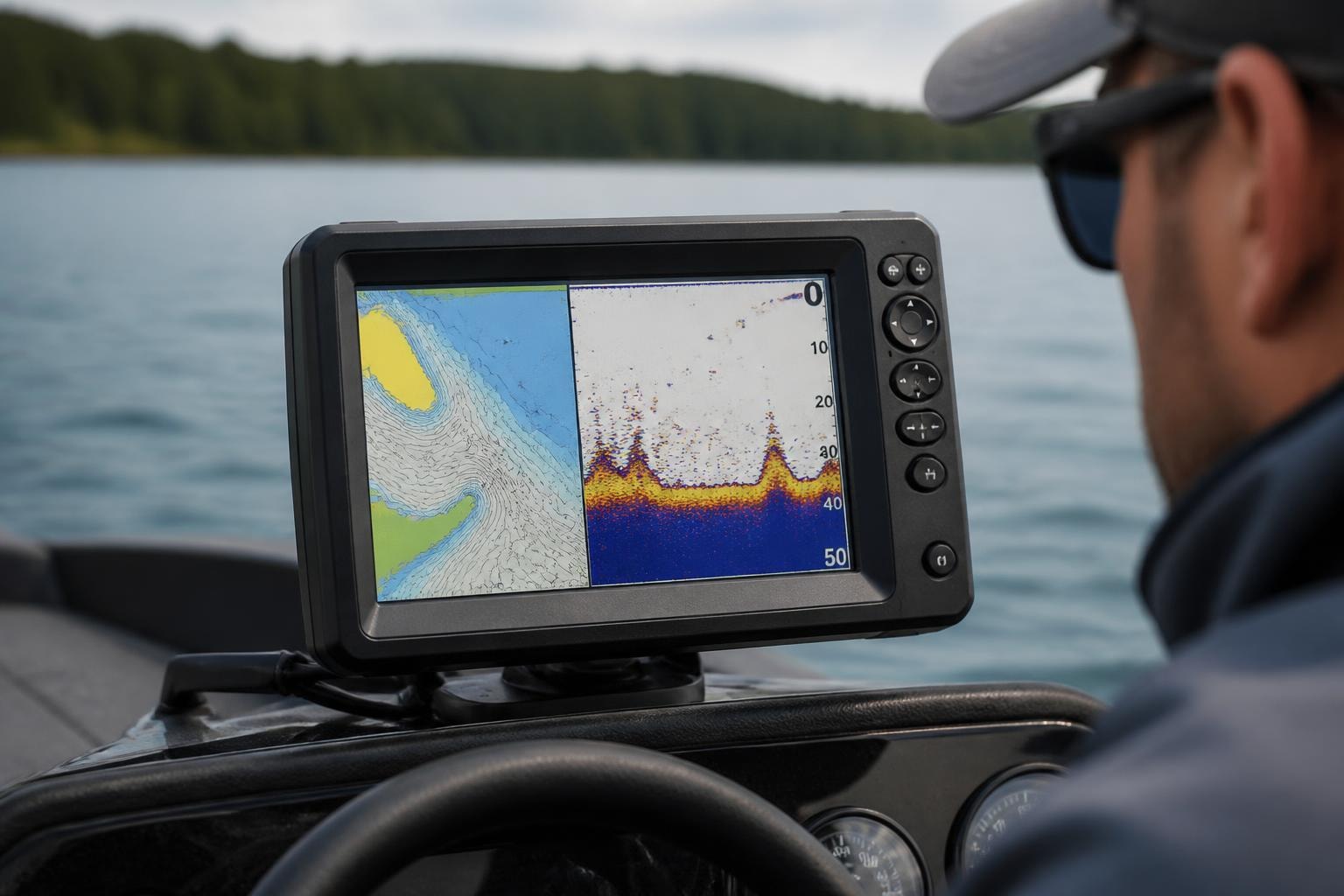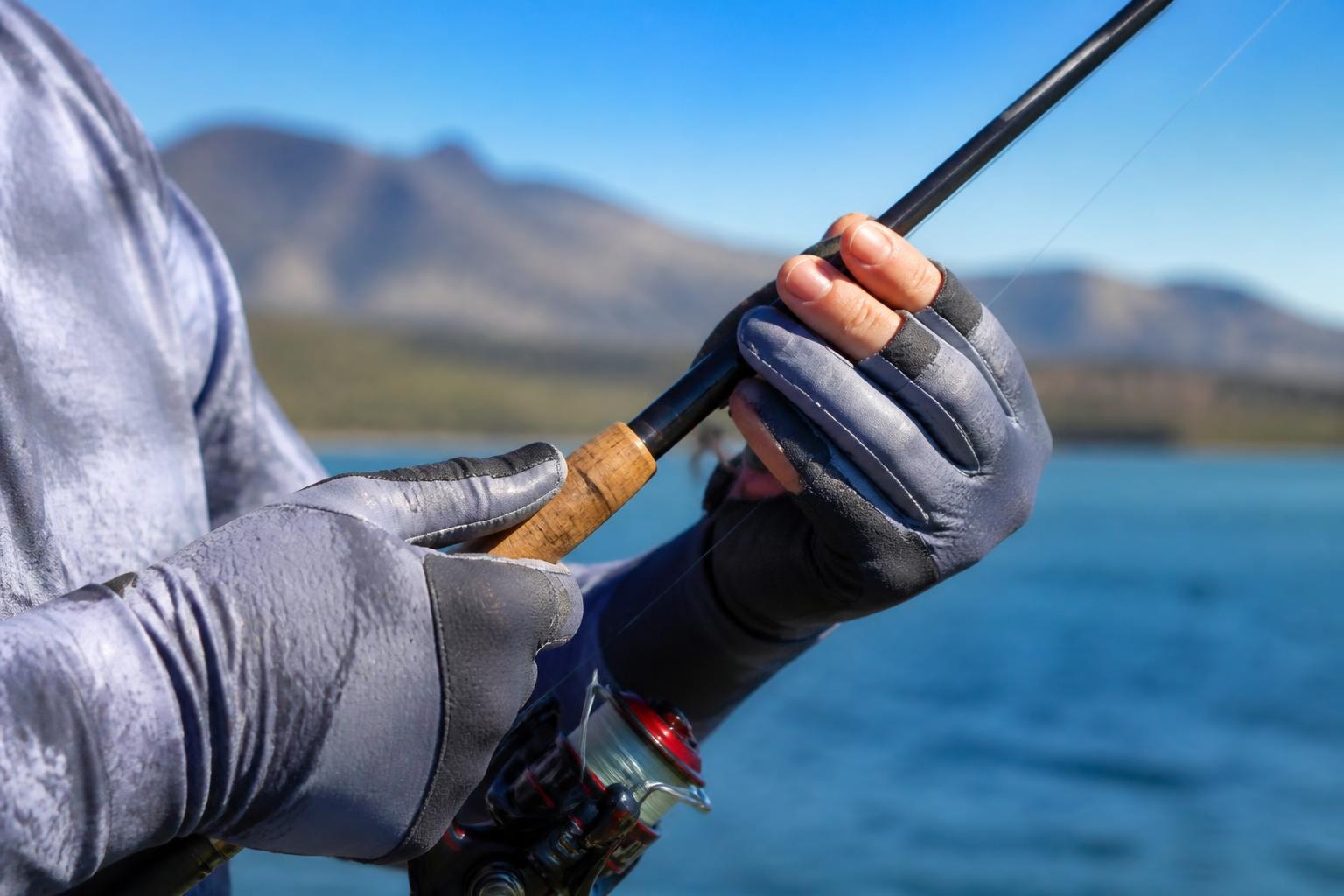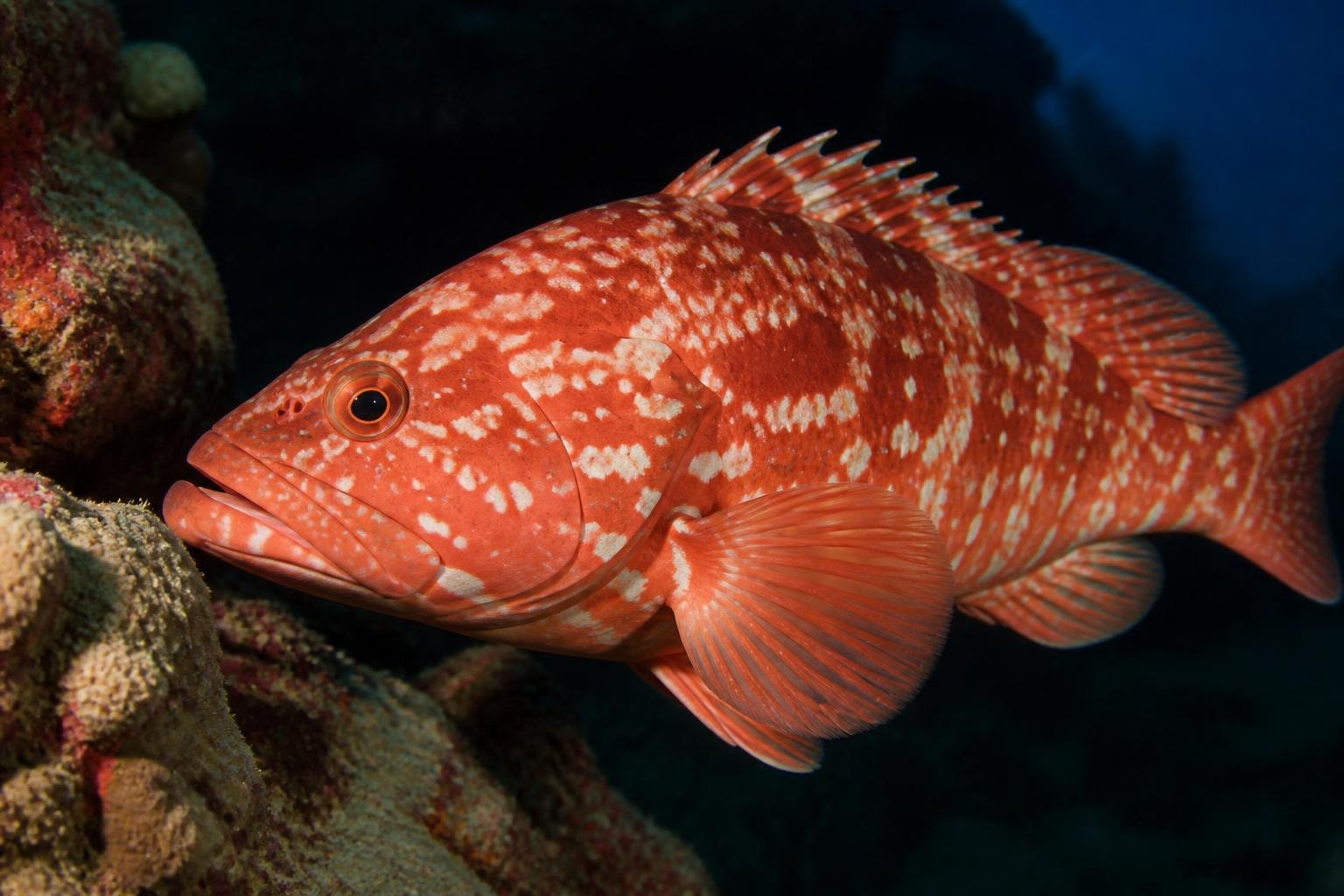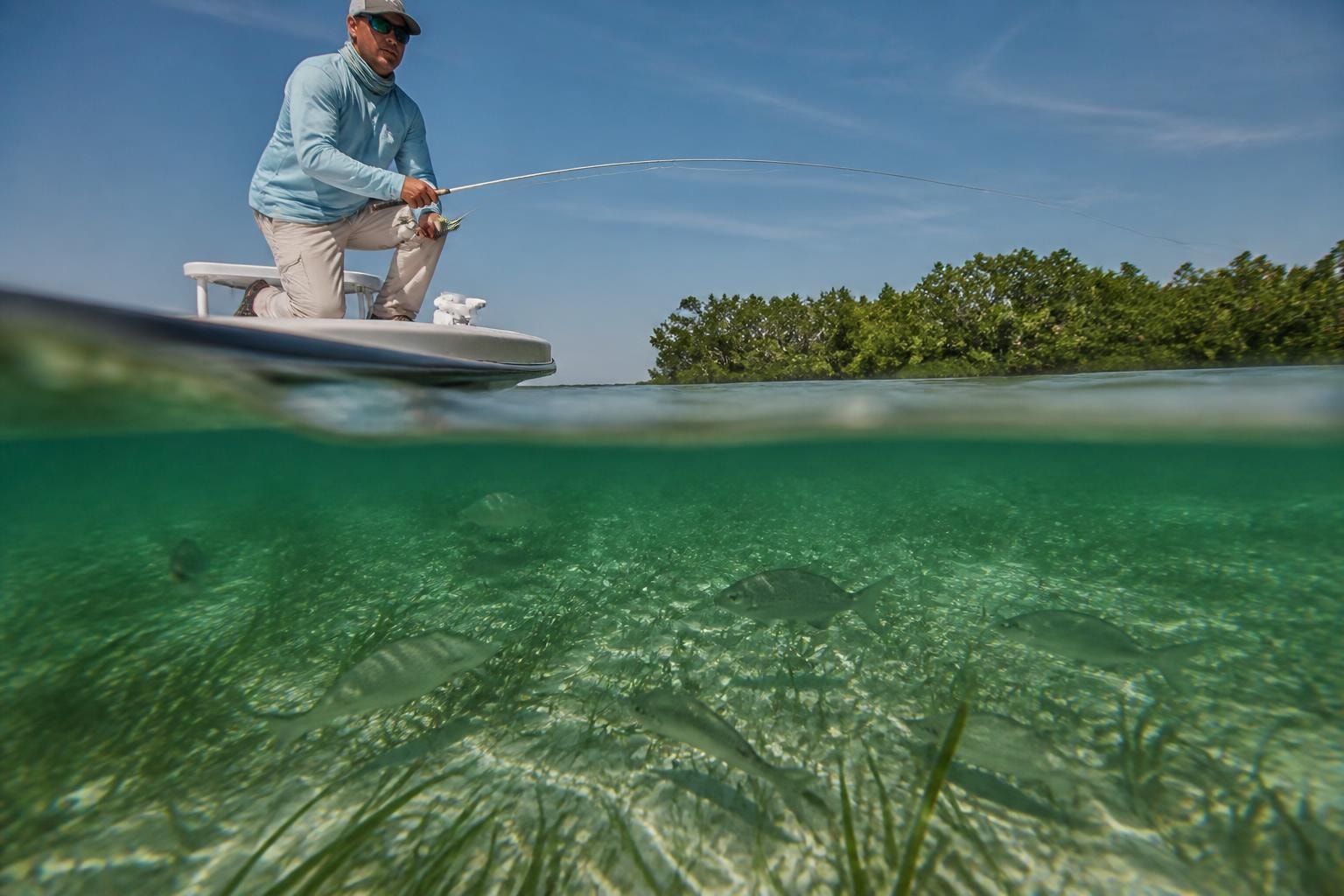
When you're out on the water, whether you're fishing saltwater flats, inland lakes, or brackish estuaries, protecting your eyes isn't just about comfort. It's about performance. The right fishing sunglasses help you spot fish, see underwater structure, and keep your eyes safe from harmful UV rays bouncing off the water's surface. For anglers exploring new spots or returning to favorite locations, quality eyewear makes a real difference in both safety and success.
Why Polarized Lenses Matter for Anglers
Polarized lenses are the gold standard for fishing sunglasses because they cut through water glare like nothing else. When sunlight hits the water, it scatters in all directions, creating a blinding reflection that makes it nearly impossible to see beneath the surface.
Polarization works by:
- Blocking horizontal light waves that cause glare
- Allowing vertical light waves to pass through
- Revealing underwater structure, vegetation, and fish
- Reducing eye strain during long days on the water
Forbes’ comprehensive guide on fishing sunglasses explains how polarized lenses filter light waves to enhance visibility. This technology isn't just a luxury feature, it's essential equipment for serious anglers.
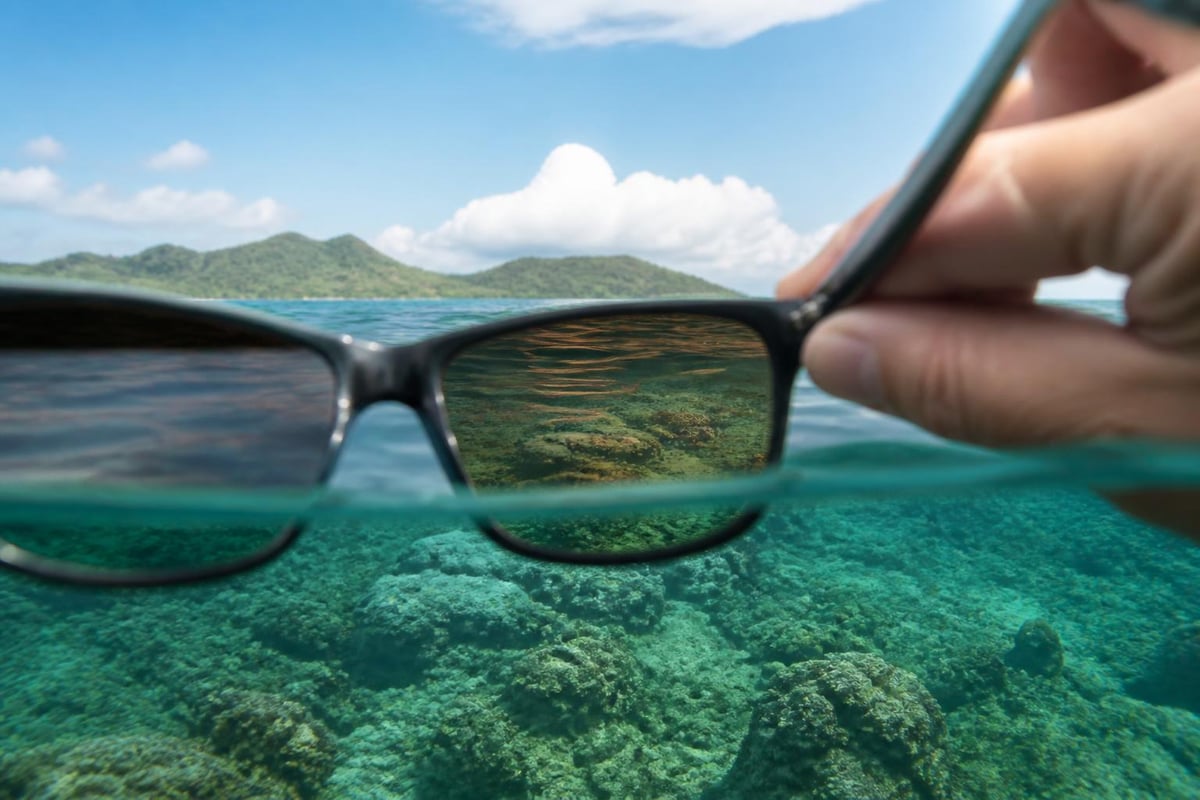
The difference becomes obvious when you're sight fishing. Without polarization, you're essentially fishing blind, unable to see cruising fish or bottom structure. With proper fishing sunglasses, you gain a competitive advantage that can transform your entire fishing experience.
Choosing the Right Lens Tint for Different Conditions
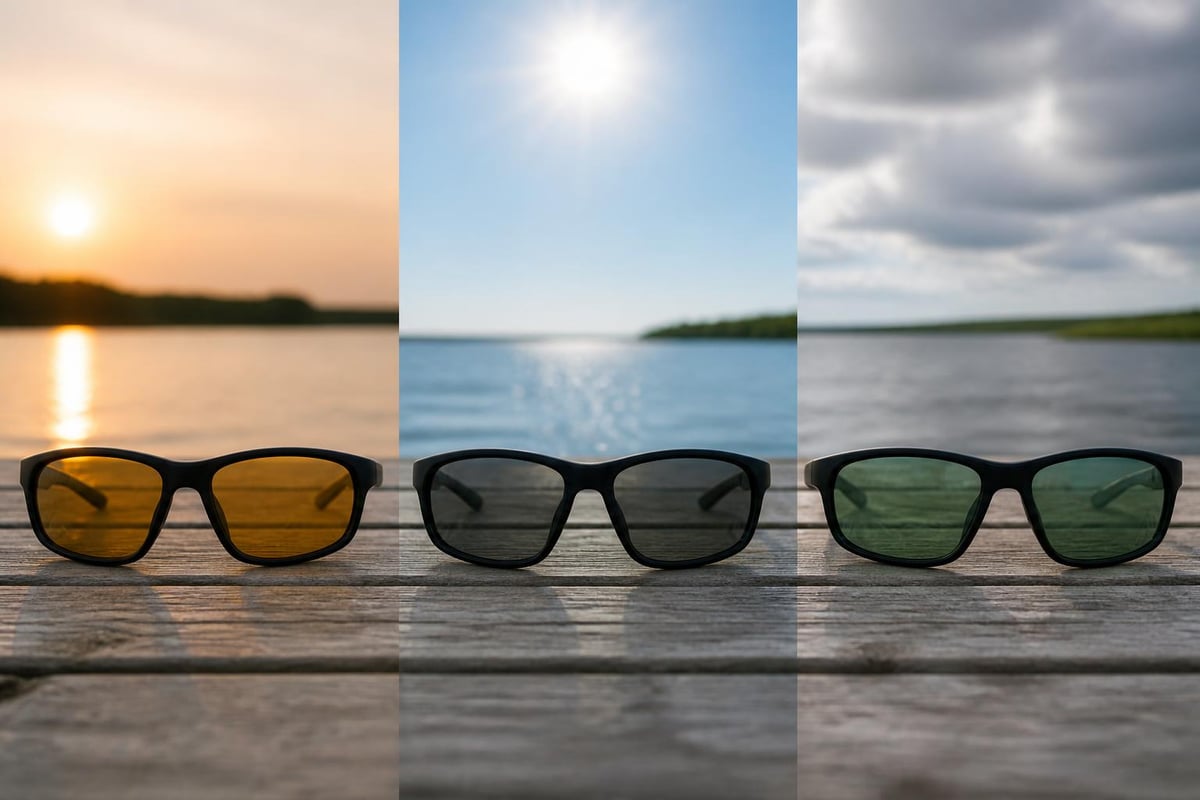
Not all lens colors perform the same way. Different tints excel in specific lighting conditions and water types, which matters when you're exploring diverse fishing spots across the country.
Amber and Copper Lenses
These warm tones enhance contrast in low-light conditions and overcast days. They're perfect for:
- Early morning sessions
- Cloudy or foggy weather
- Freshwater fishing with stained water
- Spotting structure and changes in bottom composition
Gray and Smoke Lenses
Neutral gray lenses reduce overall brightness without distorting colors. They work best for:
- Bright, sunny days on open water
- Offshore saltwater fishing
- Situations requiring true color perception
- All-day wear in intense sunlight
Green and Yellow-Green Lenses
These versatile options balance contrast and color accuracy. InlandFishing.com explores lens tint significance for various scenarios, noting that green lenses handle variable light conditions effectively.
Frame Design and Fit Considerations
Comfort matters when you're wearing sunglasses for hours at a time. The best fishing sunglasses balance coverage, weight, and stability.
Key frame features include:
- Wraparound designs that block peripheral light
- Rubberized nose pads and temple grips
- Lightweight materials that won't cause fatigue
- Side shields for additional sun protection
GearJunkie’s review of the Bajío Cocho sunglasses highlights how frame design impacts all-day comfort. Their unique construction provides extensive coverage without feeling bulky or heavy.
Whether you're fishing saltwater locations in the Florida Keys or quiet freshwater ponds, your glasses should stay put without constant adjustment. Look for frames that grip securely without pinching.
UV Protection and Eye Health
The water's surface reflects up to 100% of UV radiation, essentially doubling your exposure. Long-term UV damage can lead to cataracts, macular degeneration, and other serious eye conditions.
Quality fishing sunglasses should offer:
- 100% UVA and UVB protection
- Coverage that extends beyond the eye area
- Impact-resistant lenses for safety
- Scratch-resistant coatings for durability
Vision Center’s updated 2026 review emphasizes UV protection as a non-negotiable feature. Don't compromise on this aspect, regardless of price point.
Additional Protective Features
Modern fishing sunglasses often include anti-reflective coatings on the back surface of lenses. This prevents light from bouncing back into your eyes from behind, further reducing strain and improving clarity.
Water-resistant coatings help repel spray and rain, keeping your vision clear when conditions get rough. Some models even feature oleophobic treatments that resist fingerprints and fish slime.
Budget Versus Premium Options
Fishing sunglasses range from $30 budget models to $300+ premium pairs. The difference shows in lens quality, optical clarity, and durability.
Budget-friendly options ($30-$80):
- Basic polarization
- Plastic frames
- Standard UV protection
- Good for occasional anglers
Mid-range choices ($80-$150):
- Better optical clarity
- More durable materials
- Advanced lens coatings
- Comfortable all-day wear
Premium selections ($150-$300+):
- Superior optical precision
- Lightweight, strong frames
- Multiple lens options
- Lifetime warranties
RodReviewed.com’s 2026 selections cover options across all price ranges. The key is finding the sweet spot between features you need and budget you have.
Maintenance and Care Tips
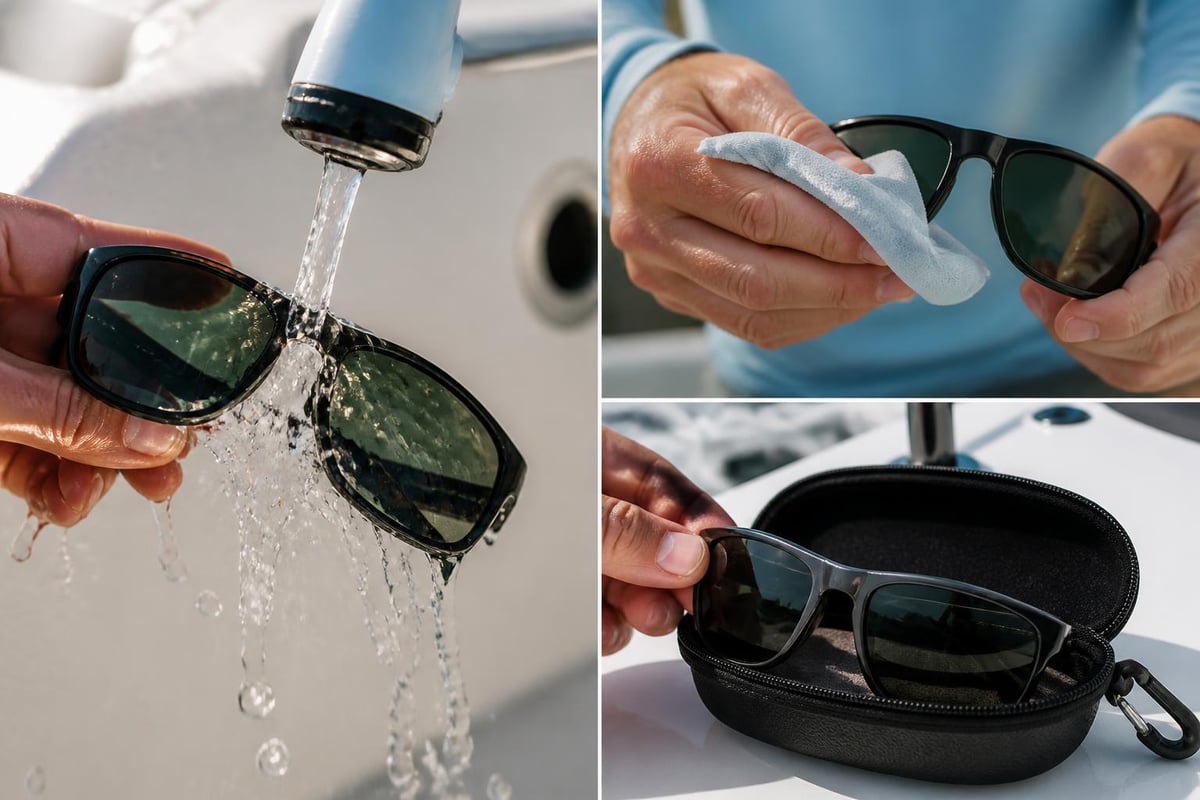
Extending the life of your fishing sunglasses requires simple but consistent care. Saltwater, in particular, can damage lenses and frames if not cleaned properly.
After each fishing trip:
- Rinse with fresh water to remove salt and debris
- Use microfiber cloths for cleaning, never paper towels
- Store in a hard case to prevent scratching
- Avoid leaving them in hot vehicles
- Check and tighten screws periodically
Keep a backup pair in your tackle box. When you're discovering new fishing locations, losing or damaging your only pair of fishing sunglasses can end your day prematurely.
Prescription and Fit-Over Solutions
Anglers who wear prescription glasses have several options. Custom prescription fishing sunglasses offer the best optical quality but come with higher costs and longer wait times.
Fit-over fishing sunglasses slide over regular glasses, providing polarization and UV protection without prescription lenses. While bulkier, they're affordable and immediately available.
Contact lens wearers gain the most flexibility, able to use any fishing sunglasses without compromise. However, wind and water spray can make contacts uncomfortable during long sessions.
Recglasses’ curated selection includes options for prescription wearers, recognizing that clear vision requires addressing both correction and protection needs.
The right fishing sunglasses protect your eyes while helping you see more fish and stay comfortable all day on the water. Whether you're targeting bass in freshwater lakes or chasing redfish in coastal shallows, quality eyewear is an investment in both safety and success. Ready to explore new waters and put your sunglasses to work? Find Fishing Spots helps you discover thousands of fishing locations across the U.S., complete with GPS coordinates, access information, and detailed location guides to plan your next adventure.