Red grouper is one of the most sought-after catches for anglers fishing the Gulf of Mexico and Atlantic waters. This distinctive reef dweller offers excellent table fare, puts up a solid fight, and inhabits predictable structure that makes targeting them a rewarding challenge. Whether you're fishing offshore ledges or artificial reefs, understanding red grouper behavior and preferred habitat will dramatically improve your success rate. Let's break down what you need to know to consistently find and catch these popular bottom dwellers.
Identifying Red Grouper
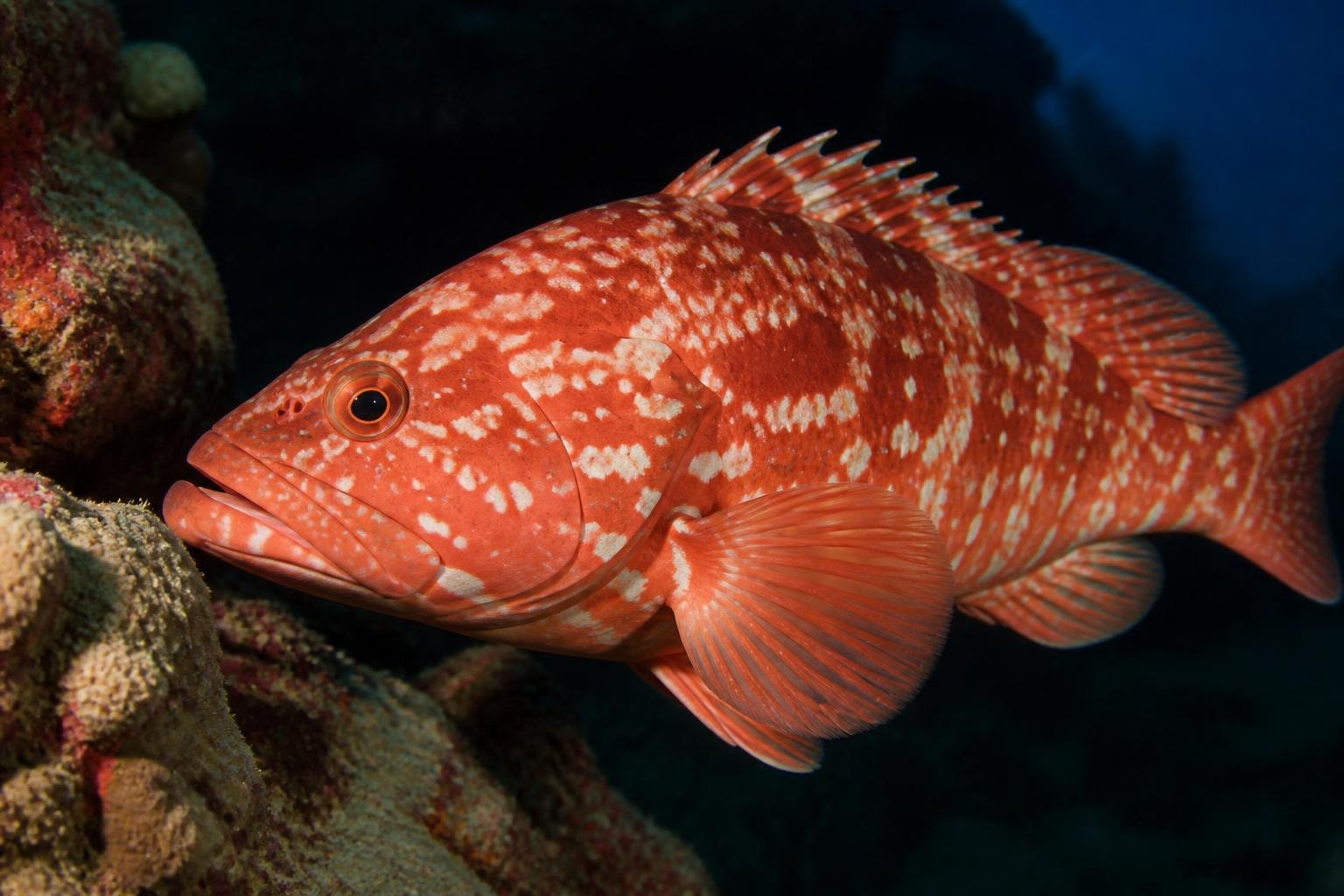
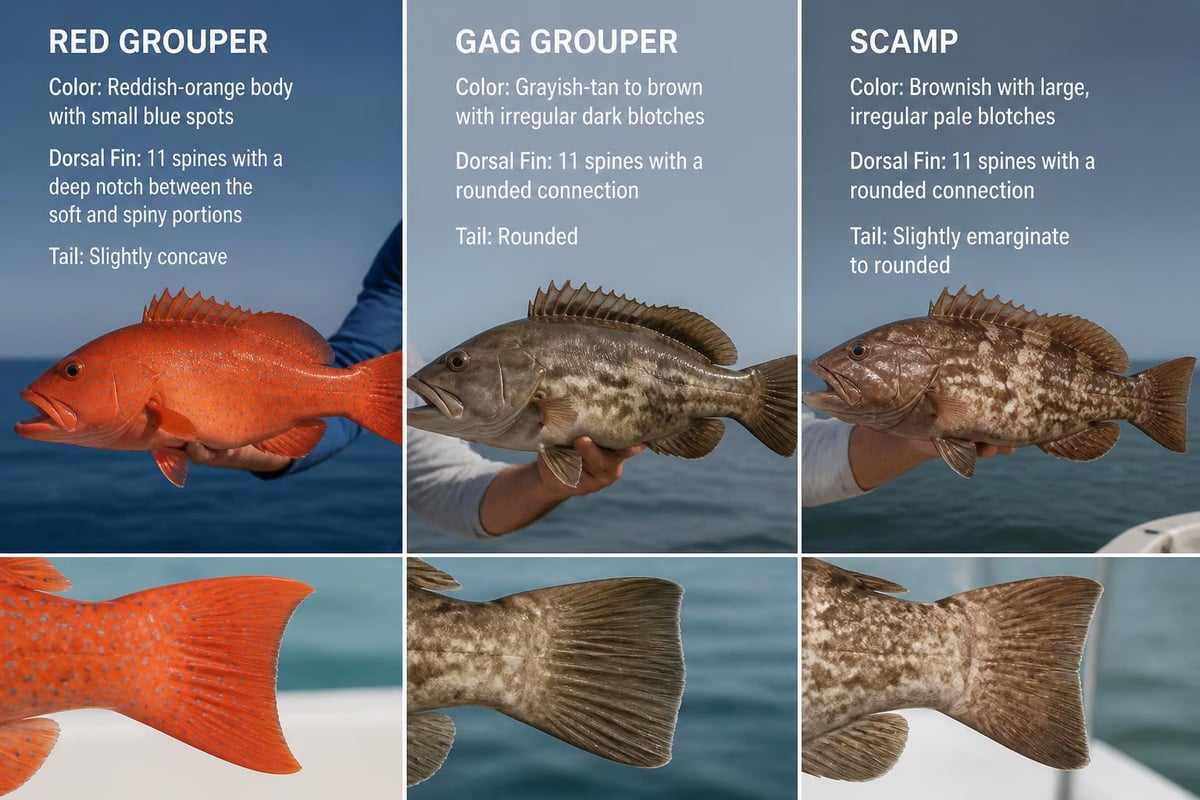
Red grouper stands out from other grouper species with some distinctive features that help you confirm your catch. Their overall reddish-brown coloration gives them their name, though the intensity varies based on mood and environment. Dark blotches and white spots scattered across their body create a marbled pattern that's quite different from the bold markings of gag or black grouper.
Key identification features include:
- Squared-off tail fin (unlike the rounded tail of scamp)
- Second dorsal spine noticeably longer than others
- Pale margin on pectoral fins
- Lacks the dark saddle markings of gag grouper
- Typical weight range of 5 to 15 pounds, though they can exceed 40 pounds
The Florida Fish and Wildlife Conservation Commission maintains detailed identification guides that help distinguish red grouper from similar species, which matters when regulations vary by species.
Where Red Grouper Live
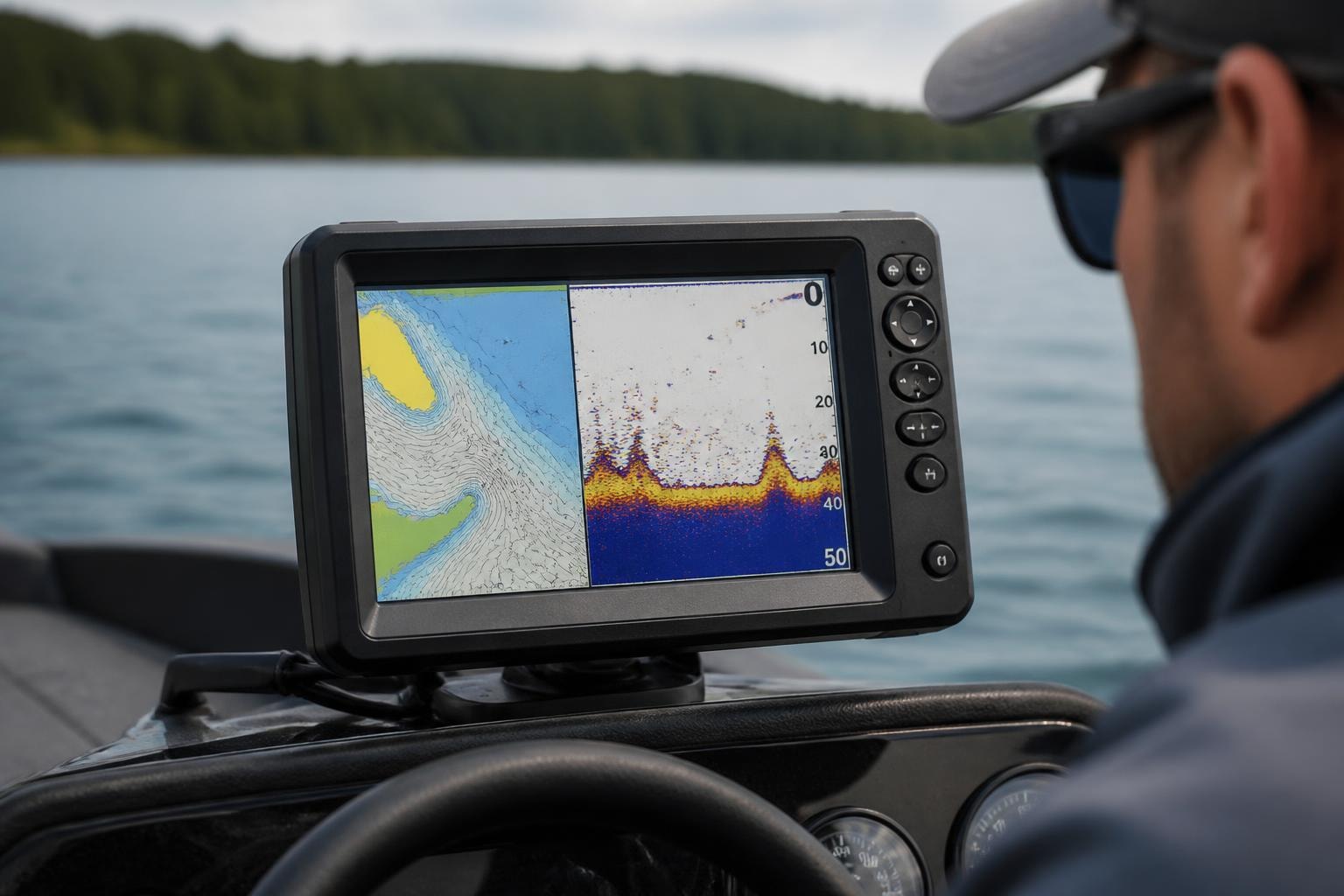
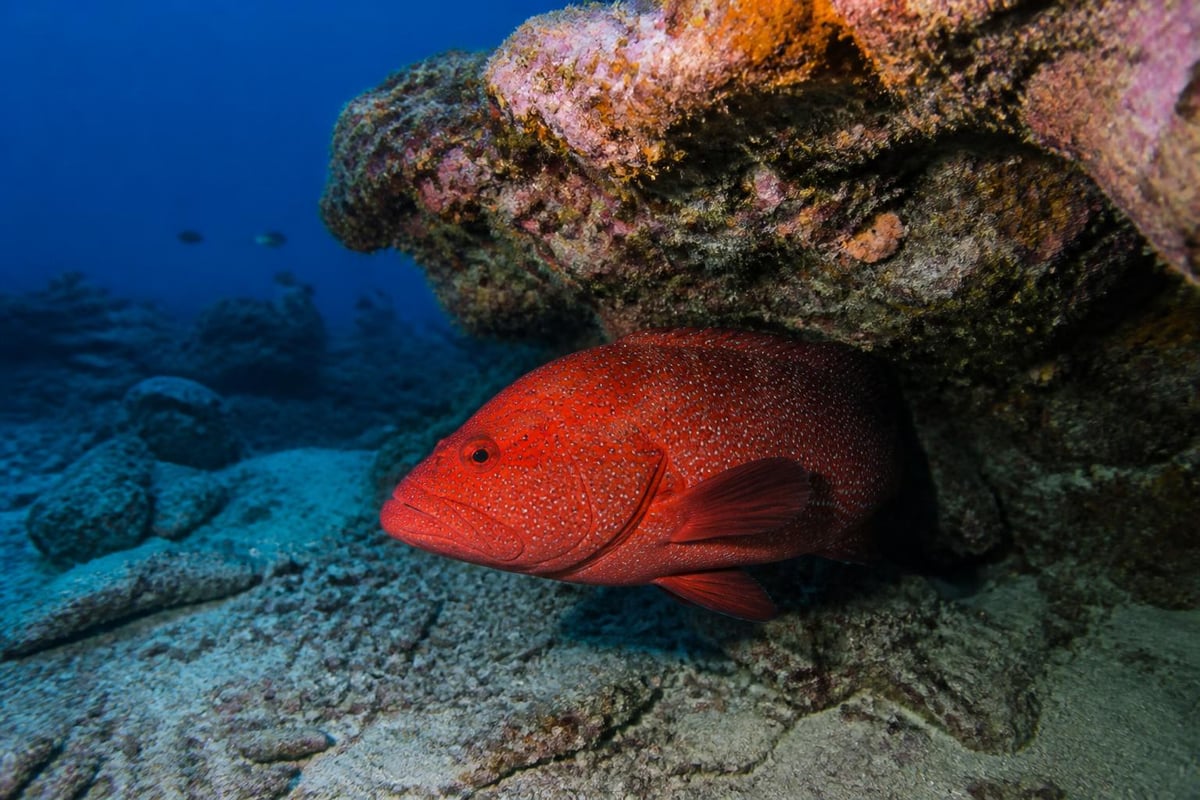
Red grouper thrives in specific habitat that makes them fairly predictable to locate once you understand their preferences. They're primarily found from North Carolina south through the Gulf of Mexico, with the heaviest concentrations off Florida's west coast. According to NOAA Fisheries, these fish prefer hard bottom areas, ledges, and natural or artificial reefs at depths ranging from 30 to 300 feet.
Prime red grouper habitat includes:
- Natural limestone ledges and outcroppings
- Artificial reefs and shipwrecks
- Live bottom areas with coral and sponge growth
- Rocky bottom transitions from sand to hard structure
- Offshore platforms and oil rigs
Water temperature plays a significant role in their seasonal movements. During warmer months, red grouper may be found in shallower water around 60 to 100 feet. As winter approaches, many migrate to deeper ledges and offshore structure. Mote Marine Laboratory notes that red grouper are ecological engineers, actually excavating depressions in the seafloor that create microhabitats for other species.
If you're searching for productive spots near Florida's Gulf Coast, exploring areas like Fort De Soto Park or Egmont Key can connect you to nearshore structure that occasionally holds red grouper in shallower water.
Best Techniques for Catching Red Grouper
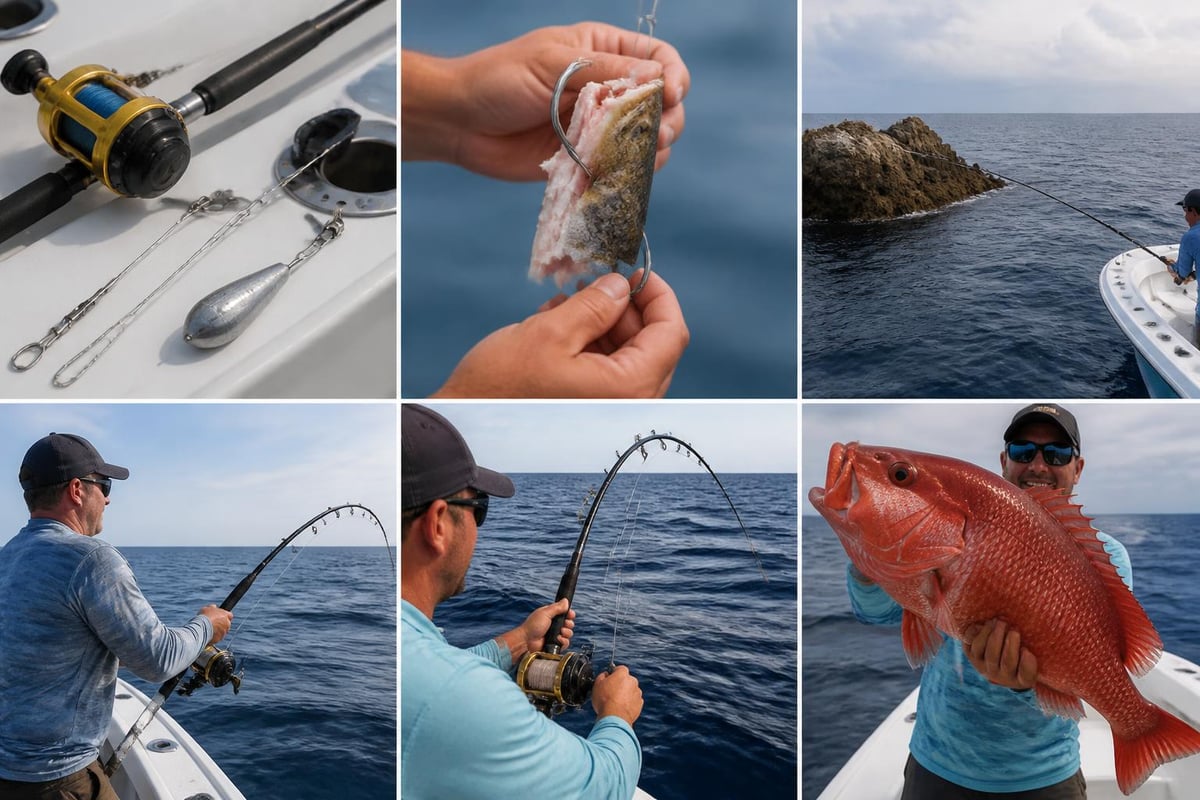
Success with red grouper comes down to getting bait right on the structure they call home. These fish rarely venture far from their holes and ledges, so precision in your presentation matters more than covering water.
Effective red grouper tactics:
- Bottom fishing with live bait: Pinfish, grunts, or threadfin herring dropped right on structure
- Heavy tackle: 50 to 80-pound class gear to turn fish away from structure
- Vertical jigging: Large jigs bounced along ledges and drop-offs
- Cut bait: Fresh bonito, mullet, or squid for bottom fishing
- Circle hooks: Required in many areas and highly effective for grouper
The fight with red grouper happens fast. Once hooked, they immediately dive for their hole, so keeping steady pressure from the moment of hookup is critical. Many anglers lose fish in the first five seconds by giving any slack or hesitation.
Regulations and Seasons
Red grouper regulations shift periodically based on stock assessments and management decisions. As of 2026, federal waters have specific season dates and bag limits that differ from state regulations in many areas. The South Atlantic Fishery Management Council tracks current rules for Atlantic waters, while Gulf regulations follow different frameworks.
Current management considerations:
- Minimum size limits (typically 20 inches total length in federal waters)
- Daily bag limits (varies by region and season)
- Seasonal closures during spawning periods
- Distinction between state and federal water regulations
- Special restrictions in certain marine protected areas
Always verify current regulations before your trip, as emergency closures can happen mid-season based on quota monitoring. State regulations in places like Florida may differ from federal rules, and knowing which apply to your fishing location prevents costly mistakes.
Checking resources from Find Fishing Spots helps you locate productive areas while staying informed about access regulations and local guidelines specific to each location.
What Red Grouper Eat
Understanding red grouper diet helps you choose the right bait and fishing approach. These opportunistic predators feed primarily on crustaceans, smaller fish, and mollusks found around their reef habitat. Crabs and shrimp make up a significant portion of their diet, which explains why these baits work so well.
Red grouper actively hunt during dawn and dusk periods, though they'll feed throughout the day when opportunity presents itself. They use their powerful jaws to crush shellfish and their suction feeding to inhale smaller prey items. Matching your bait to their natural forage improves hookup rates significantly.
When exploring saltwater fishing locations across the Gulf, keep in mind that red grouper diet varies slightly by region based on available prey species, but the fundamentals remain consistent.
Why Red Grouper Fishing Matters
Red grouper represents both a recreational favorite and an important commercial species throughout the Gulf and Atlantic. Their excellent flavor makes them highly valued at the dock and on the dinner plate. The mild, flaky white meat holds up well to various cooking methods, from grilling to frying.
From a conservation perspective, red grouper populations have faced pressure from both commercial and recreational harvest. Modern management efforts focus on sustainable catch levels that allow the fishery to thrive while maintaining healthy stock levels. Participating in ethical, regulation-following fishing practices ensures this fishery remains available for future generations.
The recreational value extends beyond just the catch. Finding and fishing reef structure introduces anglers to the offshore environment, teaches navigation and fish-finding skills, and often produces catches of multiple species sharing the same habitat. Every red grouper trip becomes an education in bottom fishing techniques that apply to numerous other species.
Red grouper offers a fantastic opportunity for anglers willing to learn their habitat preferences and fishing techniques. From identifying productive structure to selecting the right tackle and bait, success comes from understanding how these reef predators live and feed. Whether you're targeting them on nearshore ledges or deep offshore reefs, the strategies remain consistent: find structure, fish tight to the bottom, and be ready for a quick fight. Ready to locate prime red grouper habitat in your area? Check out Find Fishing Spots to discover detailed locations with GPS coordinates, access information, and local insights that'll put you on the fish faster.