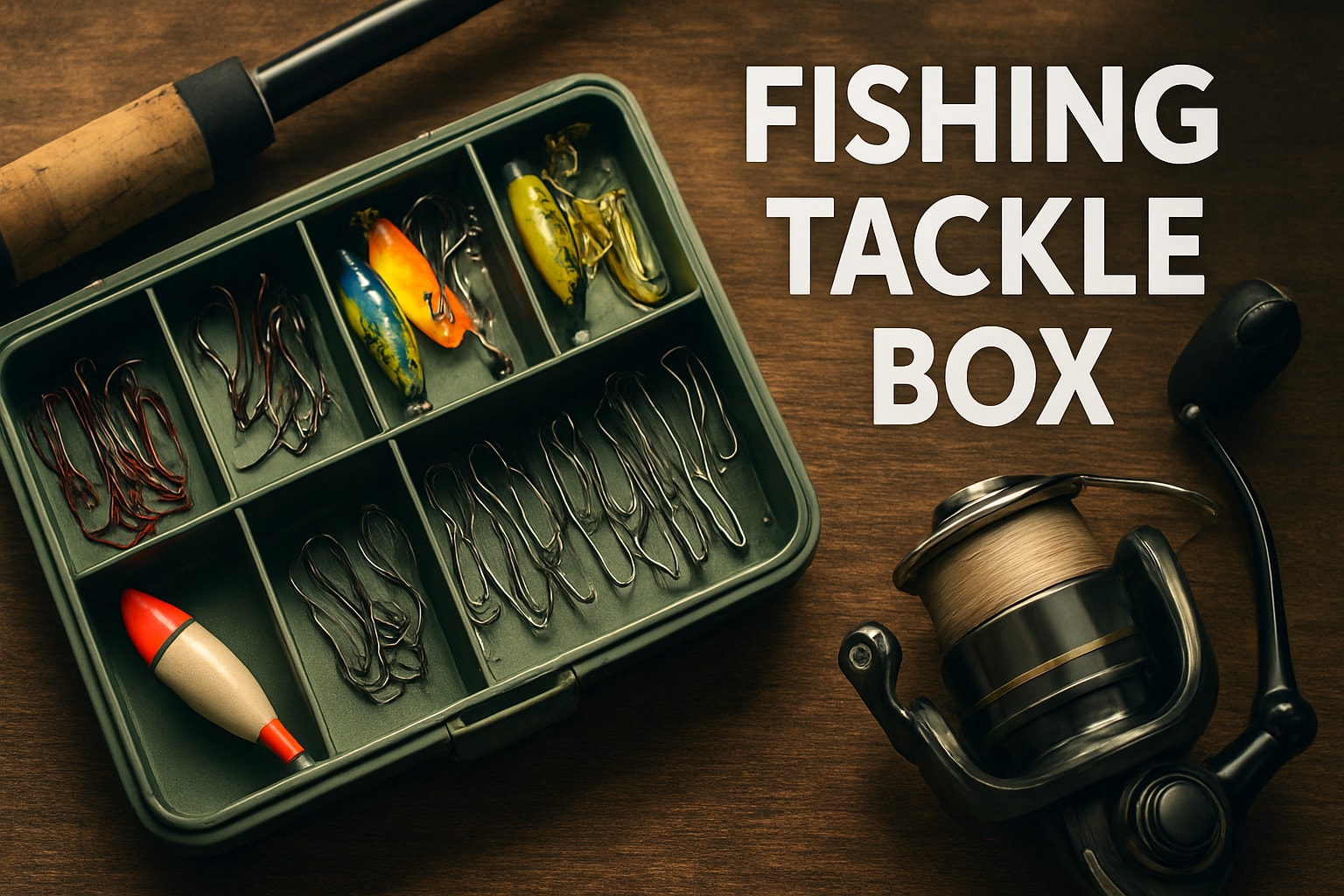
Ever spent half your morning untangling lines or digging for that one lost lure? An organized fishing tackle box is a game changer, whether you’re just getting started or have fished every lake in the county.
In this guide, we’ll walk you through everything you need to know about picking, organizing, and maintaining a fishing tackle box in 2026. We’ll cover the latest box types, must-have gear, pro tips for organization, and cool new innovations.
Ready to make fishing hassle-free and fun? Dive in for expert advice, and let’s get your tackle box working for you—not against you.
Understanding Fishing Tackle Boxes: Types and Features
Keeping your fishing tackle box organized is like packing a toolbox for adventure. This little chest holds all your gear, from hooks to lures, making every trip smoother. Over the years, the fishing tackle box has evolved from simple metal cases to high-tech, customizable storage. Today, it is just as crucial for beginners as for seasoned pros.
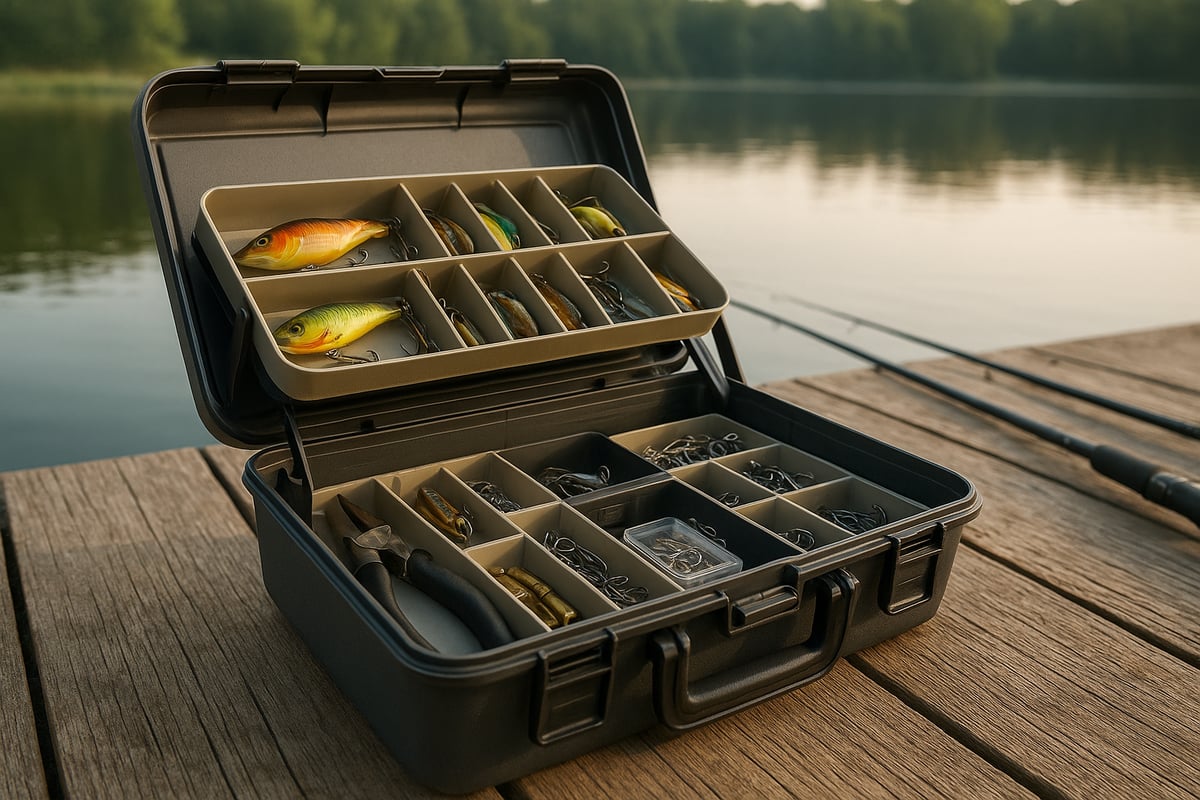
Defining a Fishing Tackle Box
A fishing tackle box is your personal storage system for all things fishing. Its main job is to keep gear organized, safe, and easy to reach. Old-school boxes were often metal and basic, but today’s models offer smart features and better protection for your gear. The fishing tackle box has become an essential tool, adapting to the changing needs of anglers everywhere.
Main Types of Tackle Boxes in 2026
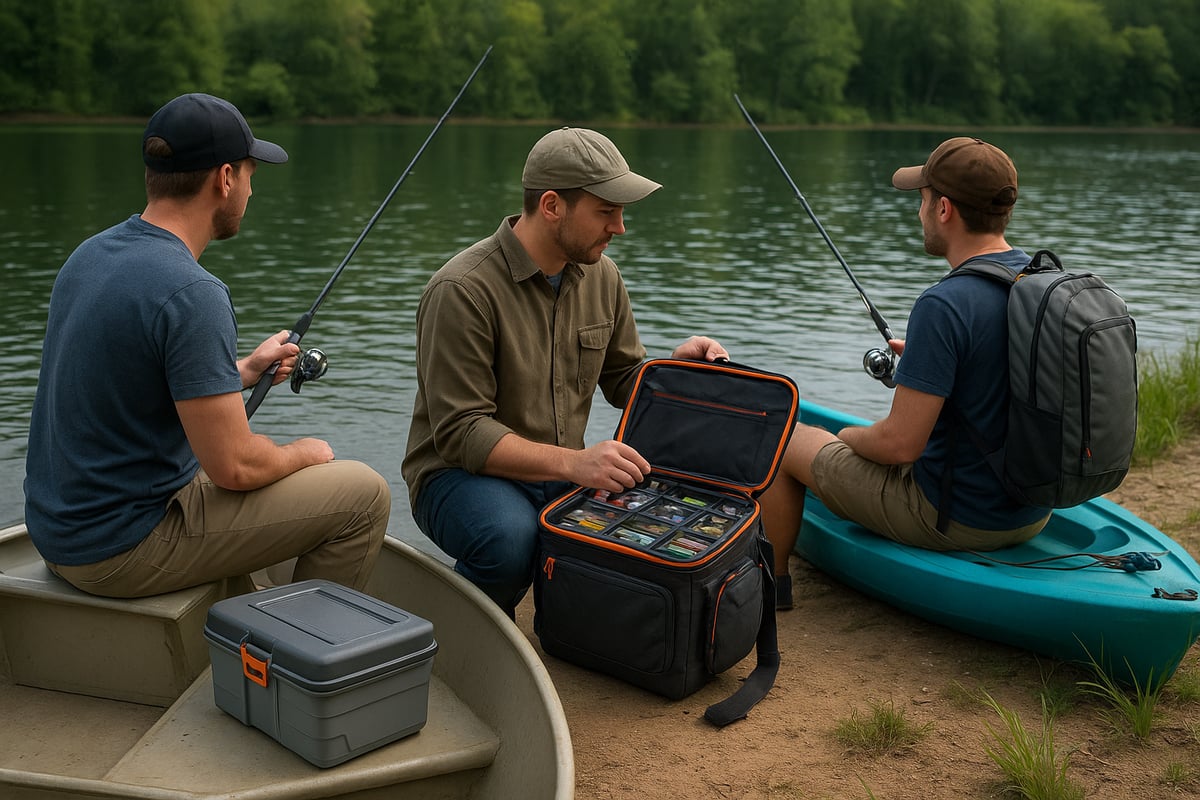
In 2026, you will find several main types of fishing tackle box options. Hard tackle boxes offer durability and structure, perfect for boat or shore anglers. Soft tackle bags are lightweight and flexible, making them easy to carry. Backpacks and hybrid systems provide hands-free convenience for hiking or kayak fishing. Modular and customizable systems are gaining popularity, especially with advanced anglers who want to tweak their setup.
Key Features to Look For
When picking a fishing tackle box, focus on features that protect and organize your gear. Look for waterproofing and weather resistance to keep everything dry. Adjustable compartments and dividers let you fit gear of different sizes. Secure latches or locks prevent accidental spills. Ergonomic handles or padded straps make carrying your box more comfortable, even on long walks.
Size and Capacity Considerations
Choosing the right size fishing tackle box depends on your fishing style. Shore and kayak anglers often pick compact boxes for easy transport, while boaters might go for extra-large options to hold more gear. Popular sizes like the 3400-3700 series give a good balance of space and portability. If you plan multi-day trips, you might want a bigger box, but for quick outings, a smaller, lighter option works best.
Material Innovations and Durability
Modern fishing tackle box designs use advanced materials for better performance. Lightweight, impact-resistant plastics and tough fabrics are now standard. Many boxes use UV-resistant materials to last longer in the sun. Sustainability is on the rise, with brands offering eco-friendly materials and recycling programs. Some, like Plano EDGE, even add rust-preventive features. For more on these trends and the newest storage solutions, check out Fishing Tackle Box Trends 2025: Smart & Eco-Friendly Designs.
Choosing the Right Tackle Box for Your Fishing Style
Choosing the perfect fishing tackle box comes down to understanding your unique fishing style and needs. Not every angler is the same, so let’s break down how to match your tackle box to your adventures.
Matching Tackle Boxes to Fishing Environments
Your fishing environment plays a big role in picking the right fishing tackle box. For freshwater, focus on boxes with basic waterproofing and flexible storage. Saltwater anglers, on the other hand, need corrosion-resistant materials and tight-sealing lids to keep gear safe from salt spray. If you’re planning a trip to the coast, check out Saltwater fishing spots in Florida for ideas on setups that work best there.
Ice fishing calls for insulated, compact boxes that fit in tight spaces. Kayak and shore anglers benefit from lightweight, portable options, like backpacks or soft bags that keep hands free and gear dry.
Assessing Your Gear Needs
Before buying a fishing tackle box, take a good look at your gear. Lay out your lures, pliers, bobbers, and other essentials. Are you targeting bass, panfish, or something bigger? Make sure there’s room for all your species-specific tackle.
Think about how your collection might grow. A fishing tackle box with extra compartments or expansion options lets you adapt as you pick up new gear. Planning ahead means you won’t run out of space when you find that must-have lure.
Budget and Brand Considerations
Fishing tackle boxes come in all price ranges, from budget-friendly $25 models to premium boxes pushing $300. Entry-level boxes are great for beginners or casual trips. Premium brands like Plano and Lakewood offer rugged builds, innovative features, and often longer warranties.
When comparing, look at not just price but also customer support and warranty coverage. Sometimes spending a bit more up front pays off in years of reliable use from your fishing tackle box.
Customization and Modularity
Customization is huge in 2026. Many anglers prefer a fishing tackle box with removable dividers, stackable trays, or clip-on accessory pouches. This makes it easy to switch up your setup for different trips or seasons.
Some boxes, like the Lakewood Mini Magnum, are designed to fit popular 3600-style utility boxes, letting you build a system that grows with your fishing needs. Modularity means less time packing and more time fishing.
User Reviews and Real-World Examples
Never skip the reviews before choosing your fishing tackle box. Verified user feedback can highlight real pros and cons you might not have considered. Look for models with high ratings, like the Lakewood Monster or Plano EDGE, especially if you fish tournaments or need extra space.
Reading about how other anglers use their tackle boxes can help you decide what features matter most for your own style. Whether you fish every weekend or just a few times a year, there’s a box out there that fits your needs perfectly.
Essential Gear and Tackle Box Must-Haves for 2026
Packing your fishing tackle box right in 2026 makes a world of difference. Whether you’re hitting a new lake or returning to a favorite spot, having the right essentials means less time untangling and more time catching fish. Let’s break down what every angler should have ready for action.
Core Tackle Box Essentials
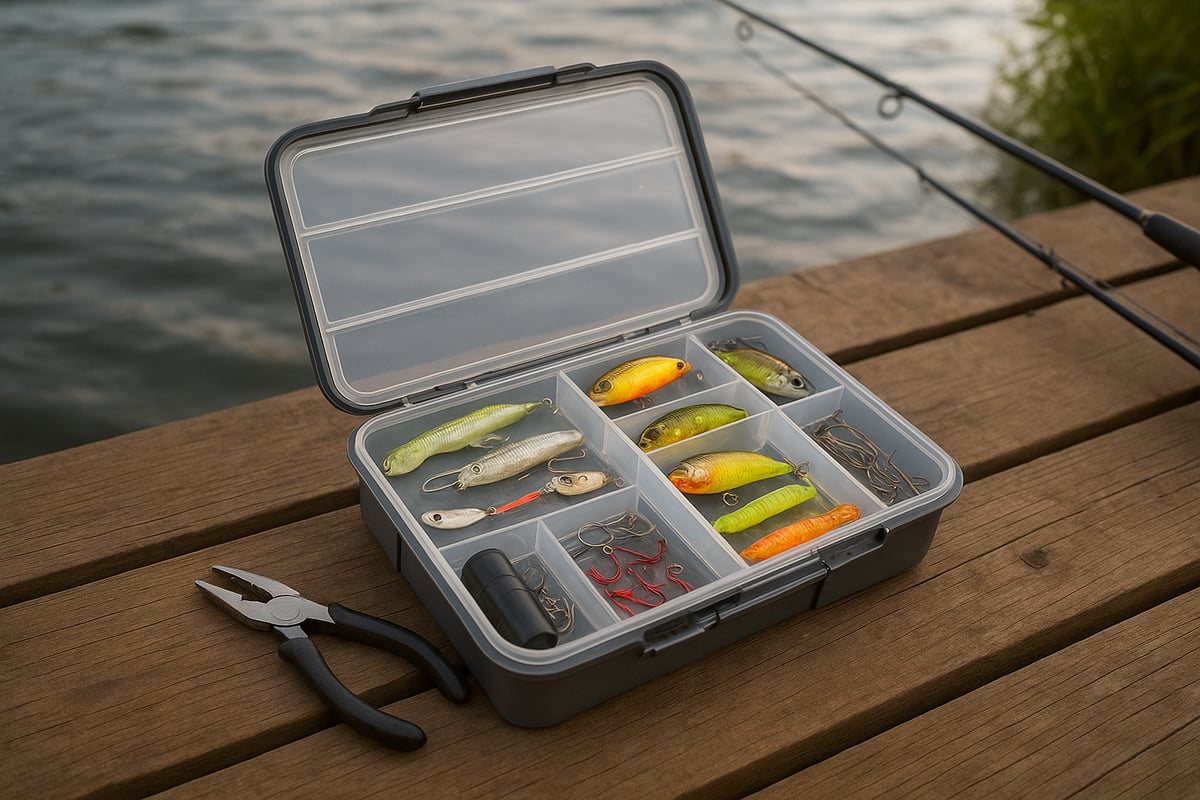
Every fishing tackle box starts with the basics. Stock up on a variety of hooks, from small to large, so you’re ready for anything biting that day. Don’t forget sinkers and bobbers to help you control depth and detect strikes. Swivels and split rings are small but mighty for quick lure changes.
Bring a selection of lures: crankbaits for aggressive fish, jigs for versatility, soft plastics for subtle bites, and spoons for flash. Having different lines and leaders lets you adapt to changing water conditions and target species. If you need more ideas on what to pack, check out this fishing tips and spots guide for local advice and gear recommendations.
Tools and Accessories
No fishing tackle box is complete without the right tools. Pack pliers for removing hooks, line cutters or scissors for quick adjustments, and a hook remover for those tricky catches. Fish grips help you handle your catch safely, while a small scale and measuring tape let you record your trophy moments.
A mini first aid kit is always smart to have on hand. Toss in a few bandages, antiseptic wipes, and pain relievers. For peace of mind, include emergency supplies like a whistle and a small flashlight.
Organization Aids
Staying organized means you’ll spend less time searching and more time fishing. Use utility boxes or mesh bags to keep soft plastics and terminal tackle separated. Zippered pouches are great for storing small tools and spare parts.
Label each compartment for quick identification. Rust-inhibitor packs and moisture absorbers go a long way toward keeping your gear in top shape, especially if your fishing tackle box gets wet. A well-organized system helps you know what’s running low before you head out.
Specialized Storage Solutions
Some gear needs a special spot in your fishing tackle box. Hanging storage works wonders for large lures and swimbaits to keep them from getting tangled. Dedicated compartments for soft plastics prevent them from melting together in the summer heat.
Customizable trays are a game changer if you’re carrying a range of gear. Swimbait hanger cases or modular boxes let you adapt to the day’s fishing plans. This makes it easy to pack only what you need, keeping your setup light and efficient.
Safety and Compliance Items
A good fishing tackle box isn’t just about hooks and lures. Make sure you have your fishing license, regulations booklet, and any necessary permits safely stowed in a waterproof container. Sunscreen and insect repellent are must-haves for long days on the water.
Pack basic personal safety gear like a small poncho, gloves, and hand sanitizer. Protect important documents in a zippered pouch or plastic sleeve so you’re ready for whatever the day brings.
Tackle Box Organization: Pro Tips and Strategies
Keeping your fishing tackle box organized can feel like an art form, but it’s the secret to stress-free days on the water. Whether you’re prepping for a local pond outing or heading to deep sea hotspots, a little planning goes a long way. Here’s how to get your gear in order, step by step.
Step 1: Empty and Assess Your Gear
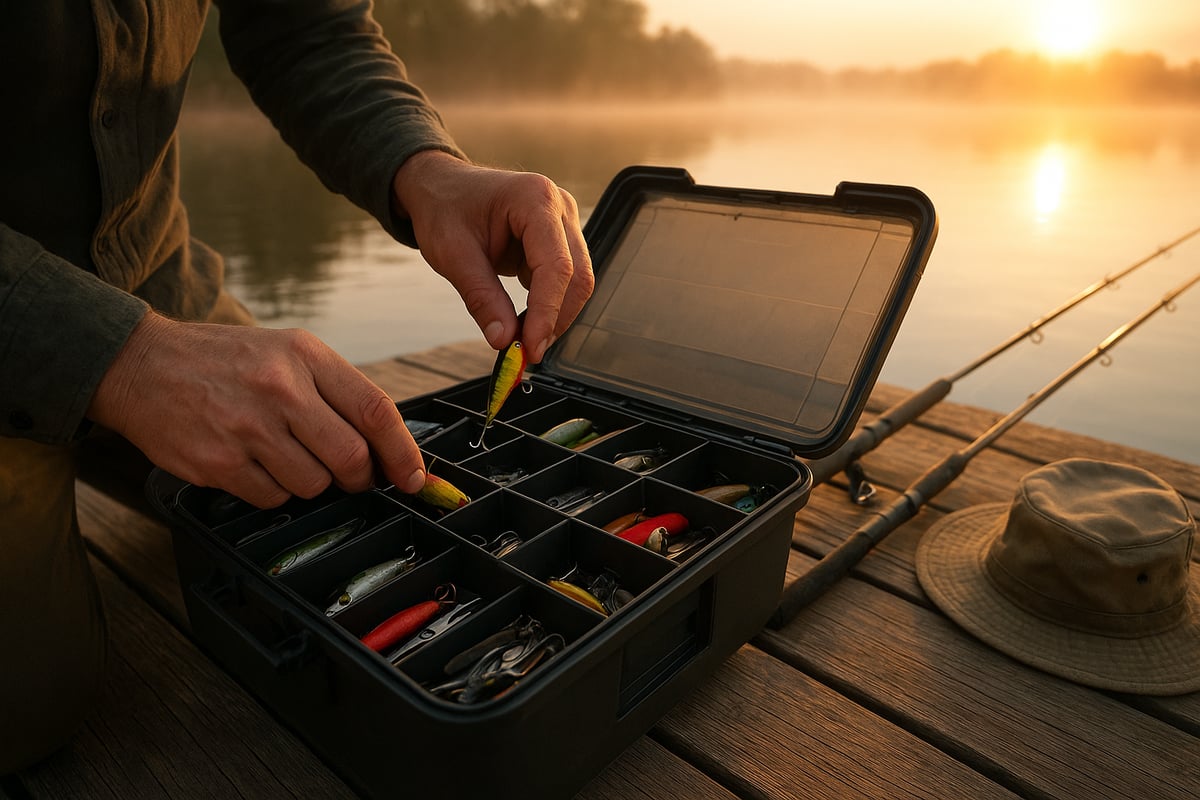
Start by laying out every item from your fishing tackle box. It’s the only way to see what you actually have and what needs to go. Check for rusted hooks, tangled lures, and broken tools. Toss anything that’s damaged or expired—you don’t want those slowing you down on your next trip.
Sort your gear into piles: keep, toss, and maybe (for items you’re unsure about). This simple reset clears the clutter and sets you up for a fresh start.
Step 2: Categorize and Prioritize
Now, group your gear by type and by how often you use it. Put your go-to lures, pliers, and line at the top of your list. If you target multiple species, separate your gear into sections for bass, trout, or panfish.
Think about your fishing style. Do you fish from shore, a boat, or kayak? Adjust your organization so your fishing tackle box matches your main targets and favorite techniques. This way, you’re never digging for what you need when the bite is on.
Step 3: Optimize Compartments and Storage
Adjust the dividers in your fishing tackle box to fit your gear snugly. Use small trays for terminal tackle and mesh bags for soft plastics. Modular storage makes swapping out gear fast, especially if you chase different fish throughout the season.
For offshore trips, like those highlighted in resources such as the Top 5 offshore fishing spots Miami, dedicated compartments help keep saltwater lures and leaders separate. This organization saves time and avoids frustrating tangles.
Step 4: Label and Inventory
Label each compartment clearly so you know exactly where to reach for hooks, weights, or jigs. Use waterproof markers or pre-made stickers for a clean look.
Keep a quick inventory list tucked inside your fishing tackle box. This helps you restock before every trip and keeps you from running out of essentials at the worst moment. A little labeling goes a long way in keeping your setup efficient.
Step 5: Prepare for the Unexpected
Pack a small stash of backup essentials—extra hooks, line, and a mini first aid kit. Weather can turn quickly, so include rain gear, gloves, and even sunscreen.
By having these backups ready in your fishing tackle box, you’re less likely to be caught off guard. It’s like having a safety net when the unexpected happens on the water.
Step 6: Maintain Easy Access
Place your most-used gear in the top or front compartments for quick grabs. Emergency tools, like pliers or a line cutter, should always be within reach.
This setup speeds up your response when a fish is on or when you need to swap out a lure fast. Over time, you’ll develop a rhythm, and your fishing tackle box will feel like a natural extension of your fishing day.
Maintenance and Longevity: Keeping Your Tackle Box in Top Shape
A well-maintained fishing tackle box is the secret to hassle-free fishing trips, whether you’re a weekend warrior or a seasoned angler. Proper care keeps your gear protected and ready for action, so you never miss a bite because of rusty hooks or broken latches.
Cleaning and Care Routines
Regular cleaning extends the lifespan of your fishing tackle box. After each outing, empty the box and wipe down all surfaces with a damp cloth. For a deeper clean, use mild detergent and let everything air dry before repacking.
Pay close attention to corners and compartment edges where dirt and salt can build up. Staying consistent with these habits makes a noticeable difference in how long your fishing tackle box lasts.
Preventing Rust and Corrosion
Moisture is the enemy of metal fishing gear. Always dry your lures, hooks, and tools before placing them back in your tackle box. Consider adding rust-inhibitor packs, especially if you fish in saltwater or humid climates.
Brands like Plano EDGE recommend these packs for extra protection. Taking these simple steps helps ensure your gear stays sharp and ready for your next trip.
Seasonal Gear Rotation
As fishing seasons change, so should the contents of your fishing tackle box. Rotate gear based on the species you’re targeting and the techniques you’ll use throughout the year.
Store off-season equipment separately to prevent clutter and damage. This keeps your fishing tackle box organized and ensures you always have what you need close at hand.
Repair and Replacement Tips
Inspect your tackle box regularly for broken latches, cracked hinges, or worn zippers. Promptly replace any damaged parts to keep your box secure and weatherproof.
If your box starts showing signs of age, consider upgrading to a newer model with better durability and features. Staying proactive means fewer surprises on the water.
Storage Best Practices
Where you store your fishing tackle box matters just as much as how you use it. Keep it in a cool, dry place away from direct sunlight to prevent material breakdown. For extra longevity, use a protective cover or storage bag.
Many modern boxes use eco-friendly materials and offer recycling programs for old gear. To learn more about sustainable maintenance options, check out Fishing Tackle Box Innovations for Sustainable Fishing. Taking care of your tackle box now means more adventures and less hassle down the road.
Innovations and Trends in Fishing Tackle Boxes for 2026
Keeping up with the latest innovations in fishing tackle box design can make your time on the water smoother and more enjoyable. In 2026, anglers are seeing a wave of smart features, sustainable materials, and modular options that take tackle organization to the next level.
Smart Tackle Boxes and Technology Integration
Tech-savvy anglers now have access to fishing tackle box models with built-in Bluetooth inventory tracking. Some even feature LED lights for those early dawn setups or late-night lure changes. These innovations help you locate your gear fast and never leave essentials behind.
If you want a sneak peek at what’s coming next, check out Smart Fishing Gear Breakthroughs to Expect in 2026 for insights on the newest smart tackle box features and other tech upgrades.
Eco-Friendly Materials and Sustainability
The push for sustainability is strong, with many fishing tackle box brands using recycled plastics and biodegradable fabrics. These eco-friendly options not only reduce environmental impact but also offer durability for long-term use.
Manufacturers are also rolling out recycling programs, making it easy to trade in old boxes for greener choices. Choosing a sustainable fishing tackle box is a small step that adds up for the planet.
Customization and Personalization
Personalization is big in 2026. Anglers can now order 3D-printed dividers tailored to their favorite gear. Some boxes even come with custom color options and engravings, letting you show off a bit of personality at your favorite fishing spot.
These tweaks aren’t just for looks—they make it easier to keep your tackle box organized and ready for any adventure.
Compact and Modular Designs
Space-saving designs are trending, especially for those who hike or kayak to their fishing spots. Stackable trays and detachable compartments let you build a fishing tackle box system that fits every outing, whether it’s a quick evening cast or a weekend tournament.
Hybrid backpack and box combos also provide extra comfort and hands-free convenience, all while keeping gear protected and accessible.
Market Data and Consumer Preferences
In 2026, anglers are searching for fishing tackle box options that blend technology, sustainability, and flexibility. Modular and tech-enabled designs are flying off the shelves, with brands racing to meet growing demand.
For a deeper look at these trends and how they fit into the bigger picture, the 2026 Fishing Roadmap: Fish Smarter, Not Harder breaks down the latest gear preferences and market shifts.
Now that you’ve got your tackle box sorted and packed with all the right gear for 2026, the only thing left is finding that perfect spot to put your new skills to the test. Whether you’re chasing bass at a local pond or scouting out a new saltwater pier, having the right location can make all the difference. If you want to discover hidden gems or check out tried and true fishing holes near you, I recommend heading over to Find Spots. It’s your go to resource for real fishing spots, GPS coordinates, and all the details you need for your next adventure.