If you're serious about reef fishing in South Florida and the Keys, the mutton snapper deserves a top spot on your target list. These beautiful, hard-fighting fish offer excellent table fare and put up a memorable battle once hooked. Whether you're new to snapper fishing or looking to improve your catch rate, understanding mutton snapper behavior and habitat will make all the difference on your next trip.
What Makes Mutton Snapper Special
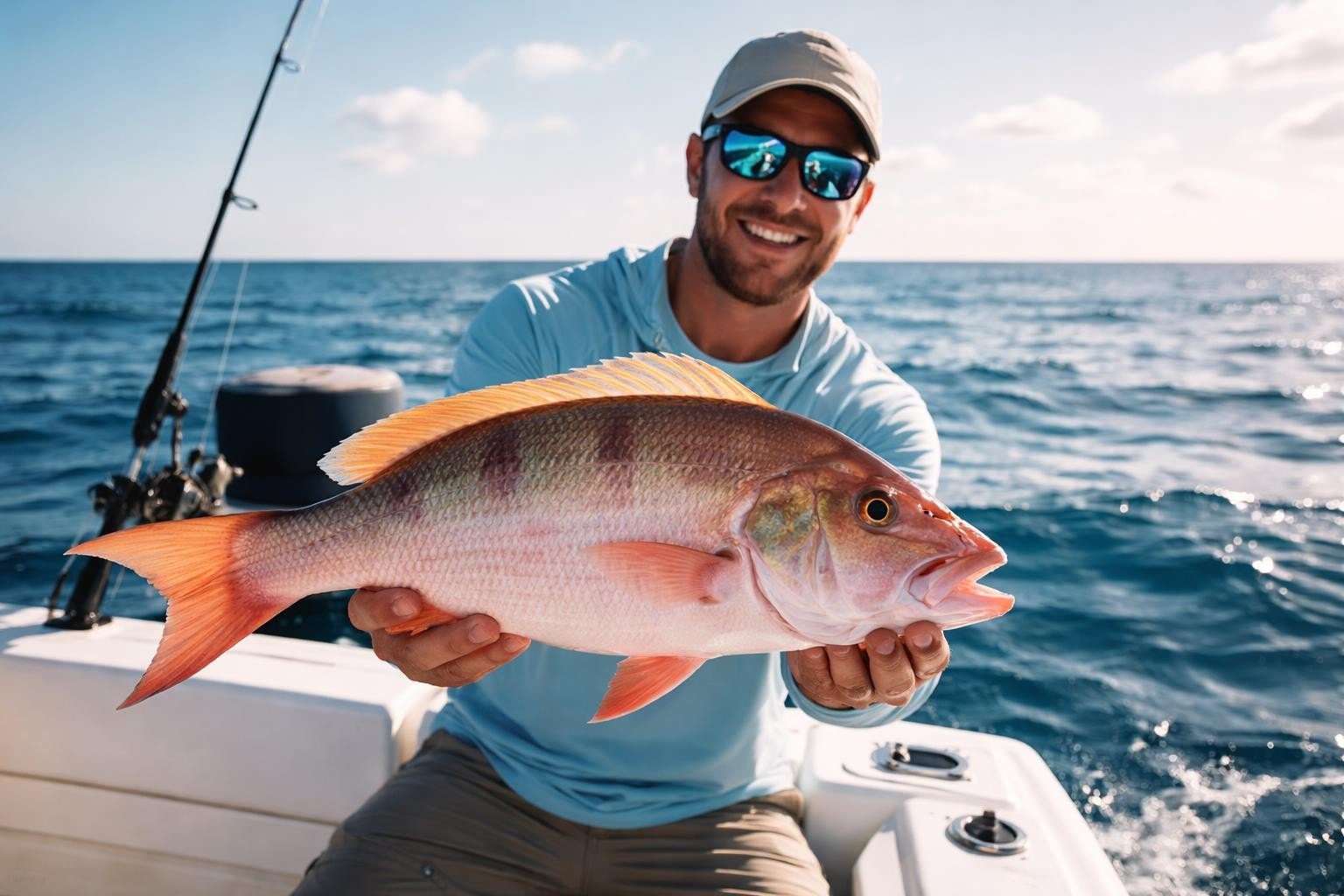
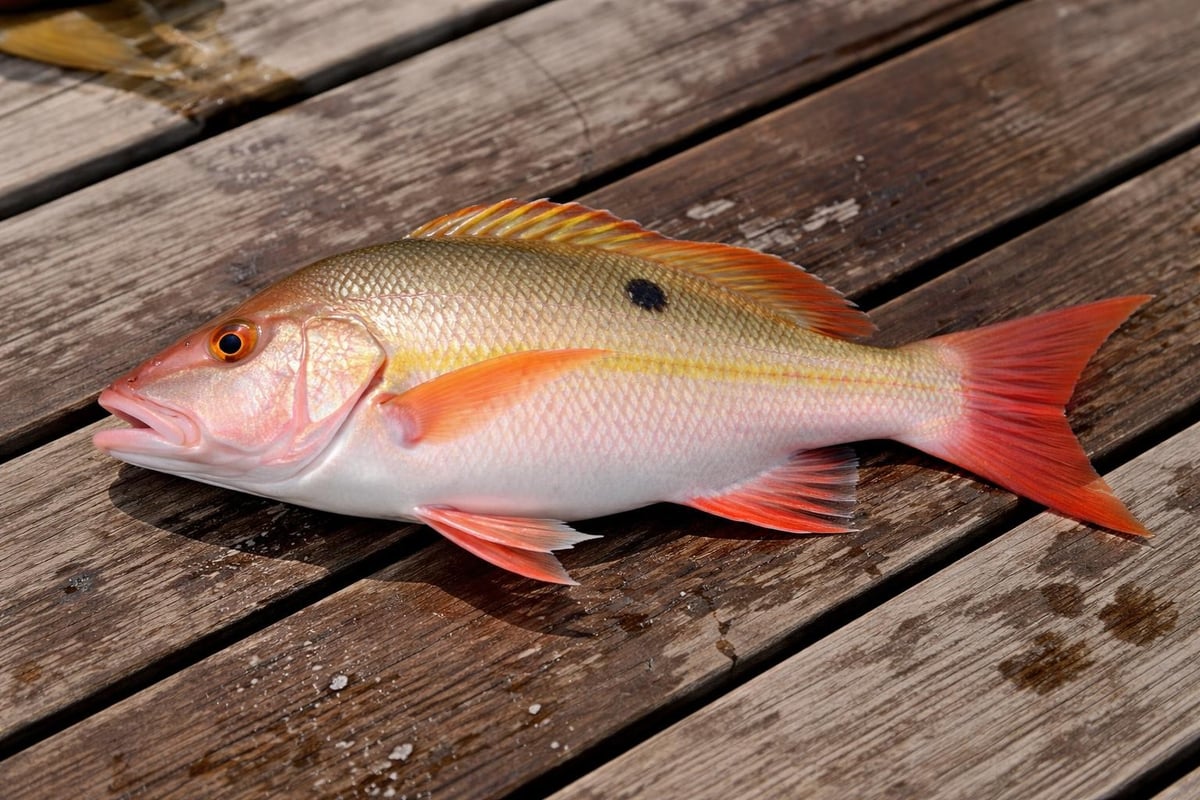
The mutton snapper stands out among reef fish for several reasons. These fish can grow impressively large, with specimens reaching 30 pounds, though most catches range between 5 and 15 pounds. Their distinctive appearance includes olive-green backs, reddish sides, and a black spot just below the dorsal fin.
Key identifying features:
- Reddish-pink coloration along the sides
- Blue streaks below the eyes
- Forked tail with a dark edge
- Black spot on upper back
- Can reach lengths up to 33 inches
What really sets mutton snapper apart is their exceptional taste. Many anglers consider them the best-eating snapper species, with firm, white flesh that's perfect for grilling, baking, or making ceviche. The combination of fighting ability and culinary quality makes them a double threat worth pursuing.
Where to Find Mutton Snapper
Mutton snapper prefer specific habitat types, and knowing where to look dramatically increases your success rate. These fish thrive around structure in depths ranging from 60 to 300 feet, though the sweet spot for consistent action typically falls between 80 and 150 feet.
Prime Habitat Types
- Coral reefs and patch reefs
- Rocky outcroppings and ledges
- Artificial reefs and wrecks
- Deep channels with strong current
- Hard bottom areas with relief
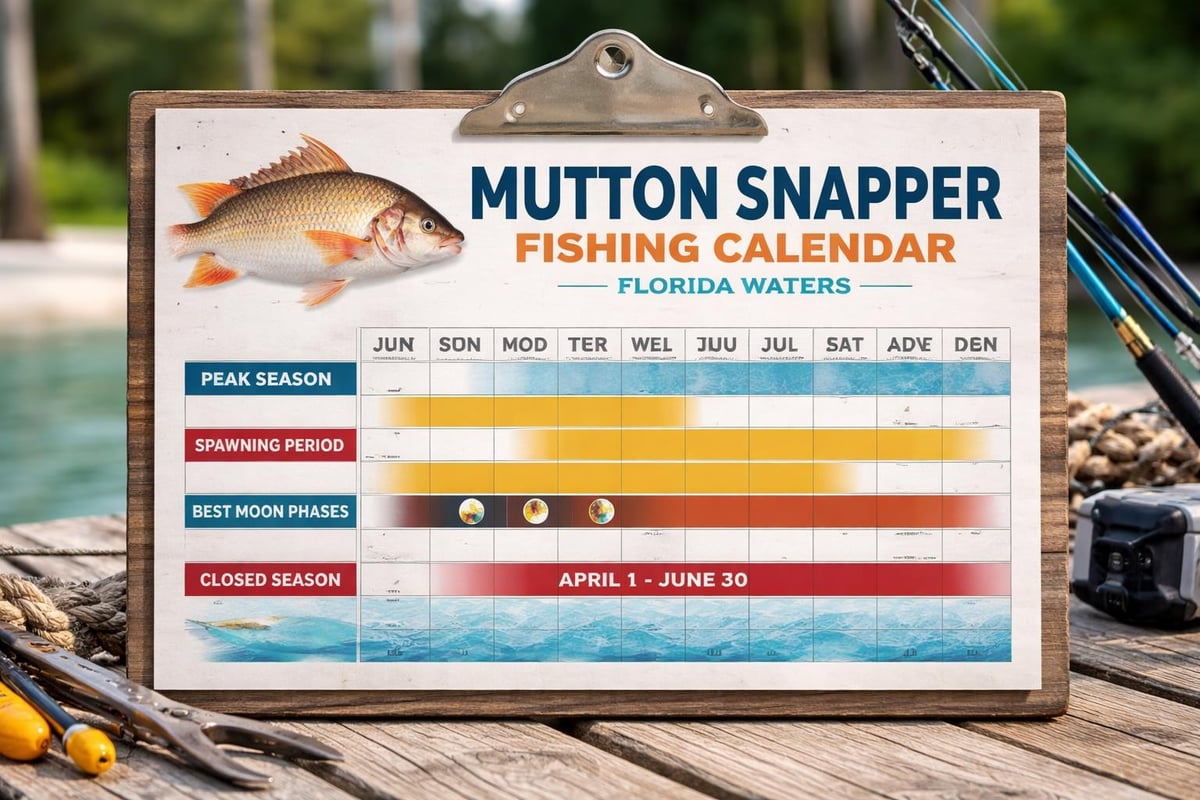
The Florida Keys remain the epicenter of mutton snapper fishing, with productive spots stretching from Key Biscayne waters down through the Lower Keys. Spring through early summer brings the best action, particularly during the full moon phases when these fish gather in spawning aggregations.
Areas like Pelican Bank and other structured bottom locations produce consistent catches. When searching for new spots, use your electronics to identify hard bottom with vertical relief. Mutton snapper congregate around these features, waiting to ambush passing prey.
Best Techniques and Tactics
Successful mutton snapper fishing requires matching your approach to conditions and depth. These fish can be selective, especially in heavily pressured areas, so having multiple techniques in your arsenal pays off.
Live Bait Fishing
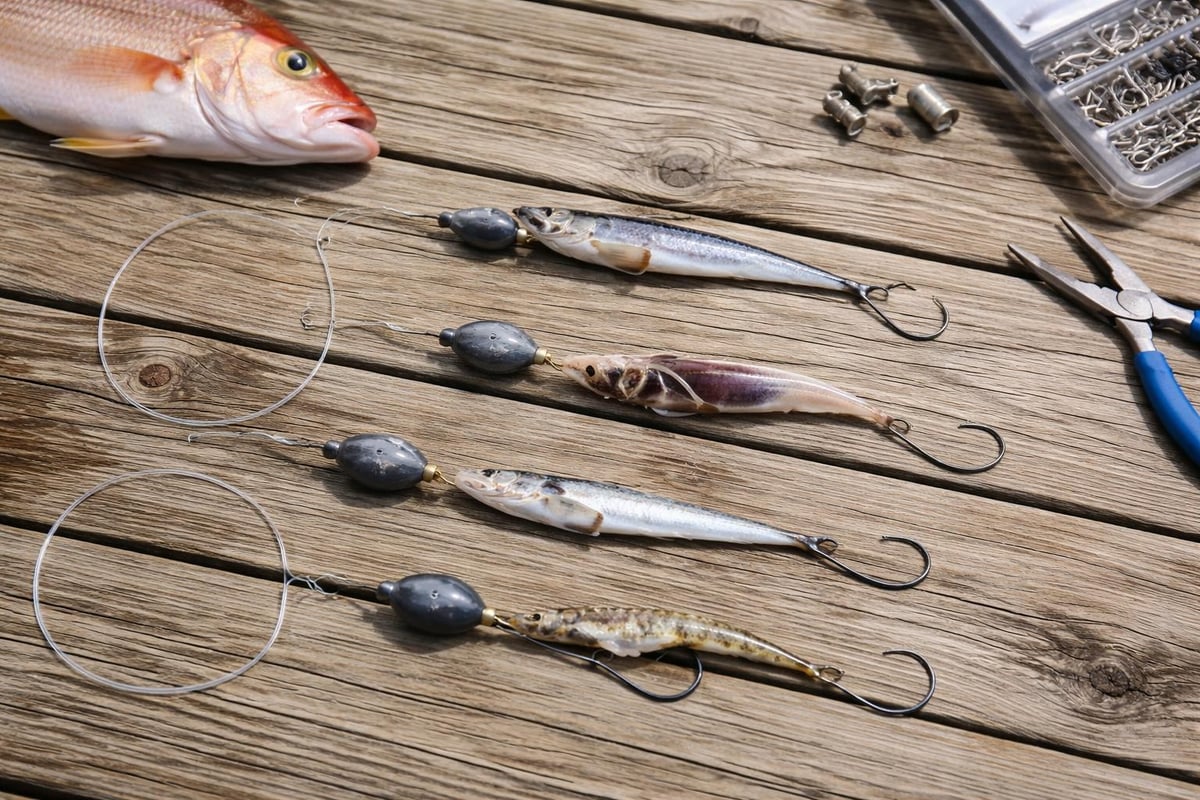
Live bait remains the most reliable method for targeting mutton snapper. Fresh-caught baitfish consistently outperform frozen options.
Top live bait choices:
- Pilchards (scaled sardines)
- Threadfin herring
- Blue runners
- Goggle eyes
- Small pinfish
Rig your live bait on a 5/0 to 7/0 circle hook with a 40-60 pound fluorocarbon leader. The circle hook virtually guarantees a solid hookset in the corner of the mouth, making catch-and-release easier and improving survival rates for undersized fish.
Bottom Fishing Strategy
Drop your bait to the bottom, then reel up 2-3 cranks. Mutton snapper typically feed just off the structure rather than tight to the reef. Keep your line relatively taut to detect subtle bites, but avoid excessive tension that might spook wary fish.
When fishing deeper water beyond 100 feet, increase your leader length to 6-8 feet. This allows the bait more natural movement in the current while keeping it in the strike zone longer.
Cut Bait and Dead Bait Options
When live bait isn't available, fresh cut bait works surprisingly well. Bonito strips, squid chunks, and butterflied ballyhoo all produce strikes. The key is freshness – mutton snapper have keen senses and prefer recently-cut baits over anything that's been sitting in the cooler for days.
Gear Recommendations
Matching your tackle to the fish and conditions makes landing mutton snapper more consistent. These fish have powerful runs and will head straight for the reef if given slack line.
Recommended spinning setup:
- 7-foot medium-heavy rod
- 4000-5000 size reel
- 30-40 pound braided main line
- 40-60 pound fluorocarbon leader
Conventional setup for deeper water:
- 6.5-7 foot medium-heavy rod
- Conventional reel with quality drag
- 50 pound braided main line
- 50-80 pound fluorocarbon leader
The braided main line provides excellent sensitivity for detecting bites in deeper water, while the fluorocarbon leader offers abrasion resistance against sharp coral and reduces visibility near the bait.
Regulations and Conservation
Florida maintains specific regulations for mutton snapper to ensure sustainable populations. As of 2026, the minimum size limit is 18 inches total length, with a daily bag limit that varies by season. Always check current Florida fishing regulations before your trip, as rules can change based on stock assessments.
Practice these conservation measures:
- Use circle hooks to reduce deep hooking
- Minimize fight time to reduce exhaustion
- Handle fish with wet hands only
- Release undersized fish quickly
- Avoid fishing spawning aggregations during peak season
- Use descending devices for fish caught in deep water
Mutton snapper populations have rebounded well thanks to careful management, but responsible fishing practices ensure future generations can enjoy this fishery.
Reading Water and Electronics
Modern electronics have revolutionized reef fishing, but you still need to interpret what you're seeing. Mutton snapper often appear as thick marks just off the bottom or suspended slightly above structure. They school during spawning season but spread out more during other times of year.
Look for these signs on your fishfinder:
- Hard bottom returns indicating reef or rock
- Vertical relief showing ledges or drops
- Baitfish schools near structure
- Individual fish marks 2-4 feet off bottom
GPS coordinates become invaluable for relocating productive spots. When you find an area producing mutton snapper, mark it and note the conditions: tide phase, time of day, current direction, and wind. Patterns emerge over time that help you predict when similar spots will produce.
Exploring saltwater fishing locations throughout South Florida reveals new opportunities beyond the well-known hotspots. Sometimes lesser-known spots with similar structure and depth produce excellent fishing with less pressure.
Weather and Timing Factors
Mutton snapper feed actively during specific conditions. Understanding these patterns helps you plan trips with higher success potential.
Optimal conditions:
- Moderate current flow (not slack or racing)
- Incoming tide often outproduces outgoing
- Overcast days with light chop
- Dawn and dusk feeding periods
- Full moon phases during spring
- Water temperatures 72-82°F
Avoid fishing during extreme weather events or immediately after cold fronts when water temperatures drop suddenly. Mutton snapper become less active during these periods and may move to deeper water seeking stable conditions.
Mutton snapper fishing combines technical skill with local knowledge, rewarding anglers who invest time learning their habits and preferred habitat. Whether you're targeting a trophy fish or filling the cooler with quality table fare, these snappers deliver on both fronts. Ready to find productive mutton snapper spots near you? Check out Find Fishing Spots to discover detailed locations with GPS coordinates, depth information, and access details that'll put you on fish faster.