If you've spent time fishing Florida's reefs, you've probably heard other anglers talking about yellowtail snapper with a knowing smile. This beautiful fish isn't just popular because it fights well on light tackle or tastes incredible on the dinner table. It's one of those species that rewards patience and skill, making every catch feel like a genuine achievement. Whether you're dropping baits around wrecks or drifting over natural ledges, understanding this fish can transform your next saltwater outing.
What Makes Yellowtail Snapper Special
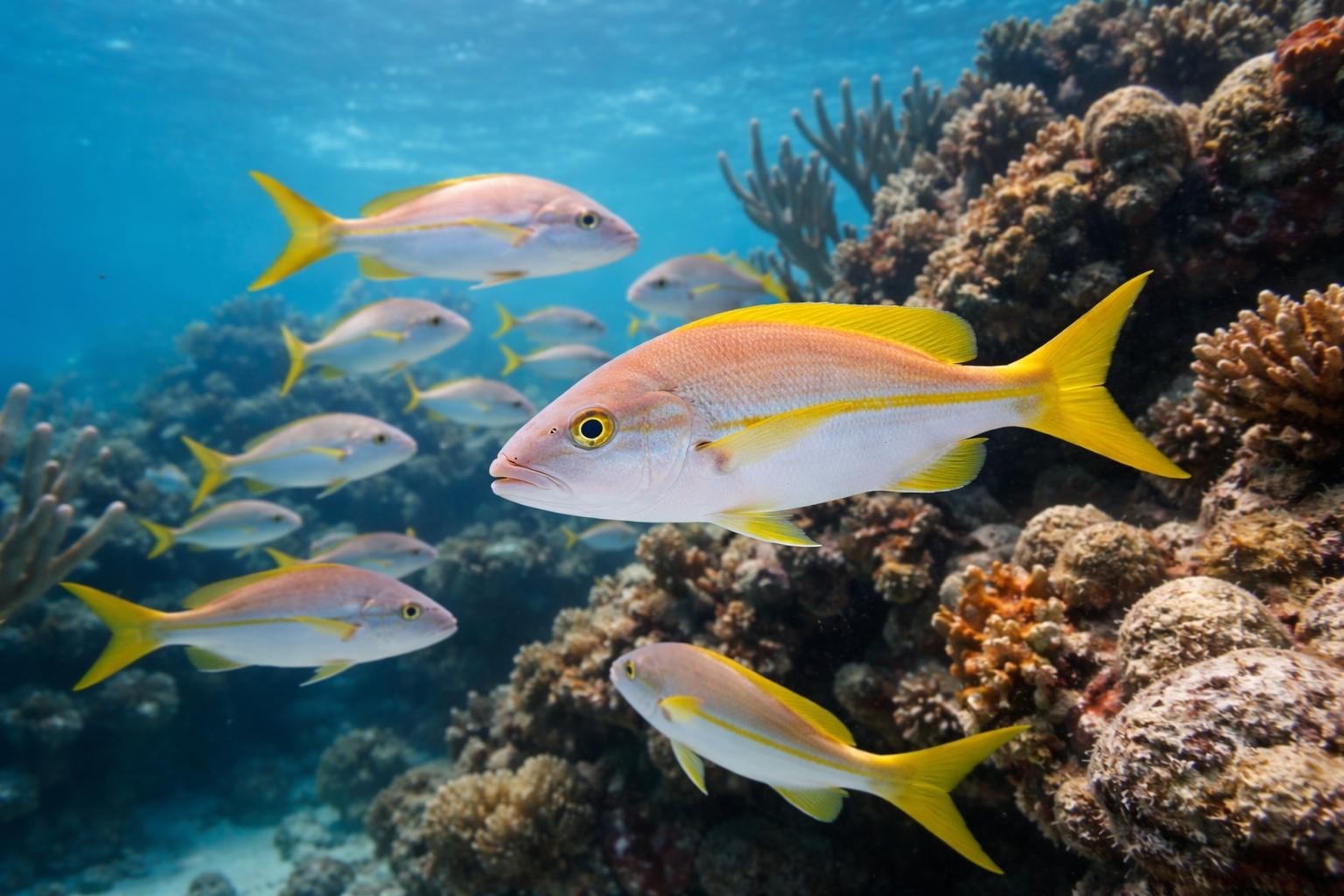
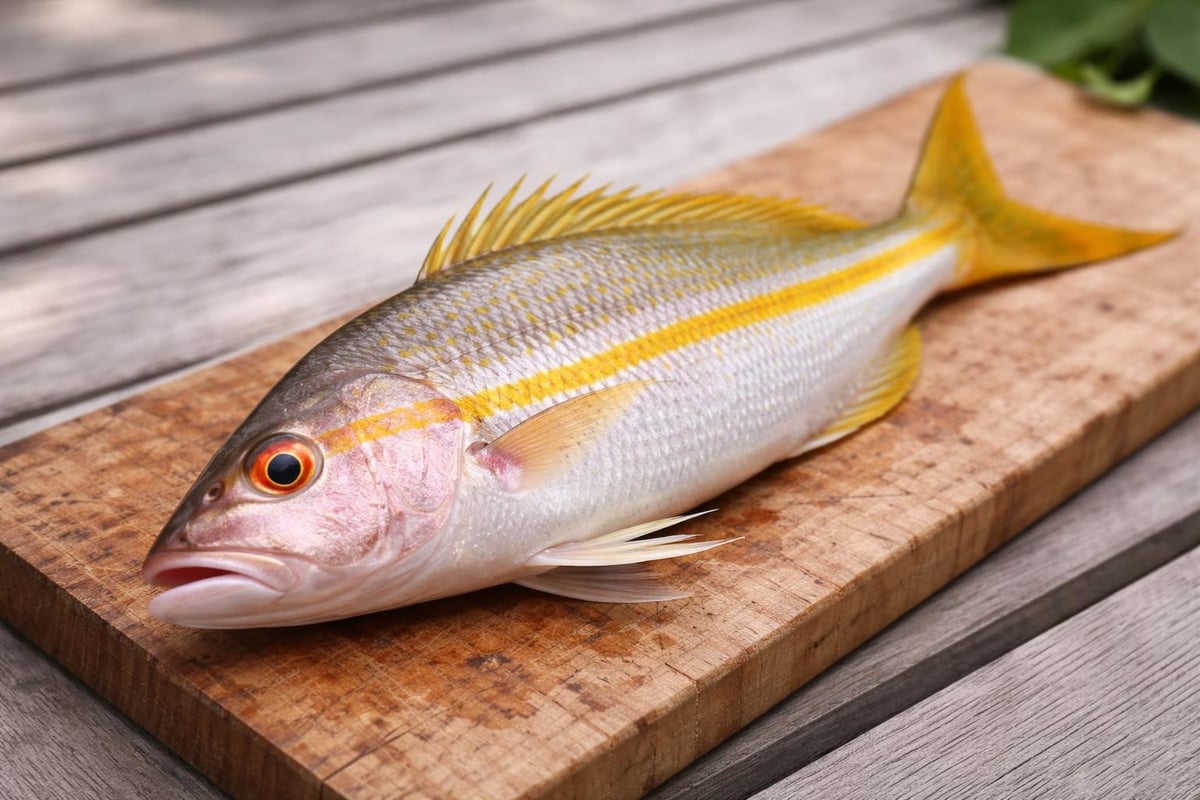
The yellowtail snapper’s distinctive features set it apart from other reef fish you'll encounter. That bright yellow tail isn't just for show-it's how you'll identify them from other snappers in the water.
These fish typically run between 12 to 16 inches, though specimens over 20 inches show up when you're fishing the right spots. The slender body and forked yellow tail create an unmistakable profile.
Physical Characteristics Worth Knowing
- Coloring: Olive to bluish back with yellow spots forming horizontal stripes
- Tail: Deeply forked and bright yellow (the signature feature)
- Weight: Most catches range from 1 to 3 pounds
- Maximum size: Can reach 5 pounds in prime habitat
- Body shape: More streamlined than other snapper species
What really catches your eye is how the yellow extends from that tail all the way to the nose, creating a distinctive lateral stripe. According to detailed taxonomic information, this coloration helps them blend with reef environments while remaining visible to their schoolmates.
Where to Find Yellowtail Snapper
These fish love structure. We're talking reefs, wrecks, and rocky outcroppings where baitfish congregate. Depths between 30 and 120 feet are your sweet spot, though they'll come shallower at dawn and dusk.
Florida waters offer some of the best yellowtail fishing in the country. When you're checking out saltwater fishing locations, look for spots with coral formations or artificial reefs. The Miami Beach area is absolutely loaded with productive structure. Places like Jose Cuervo Reef and Schoolmaster Ledge consistently produce quality fish.
Prime Habitat Features
Yellowtail snapper aren't randomly scattered across the ocean. They school around specific features:
- Natural coral reefs with good relief and current flow
- Wrecks and artificial structures that create ambush points
- Rocky ledges where the bottom transitions from sand to hard structure
- Areas with strong currents that bring food consistently
- Depths with good light penetration for hunting small prey
The Shamrock Steel Troop Wreck exemplifies what yellowtail love-vertical structure in moderate depth with plenty of current.
Proven Techniques for Catching Them
Here's where yellowtail separate beginners from experienced reef anglers. These fish are notoriously line-shy and finicky eaters. You'll need to adjust your approach from typical snapper tactics.
Light tackle is essential. We're talking 10-15 pound test monofilament or 20-pound braid with a fluorocarbon leader. Yellowtail have excellent eyesight and will spook from heavy lines.
The Chum Game
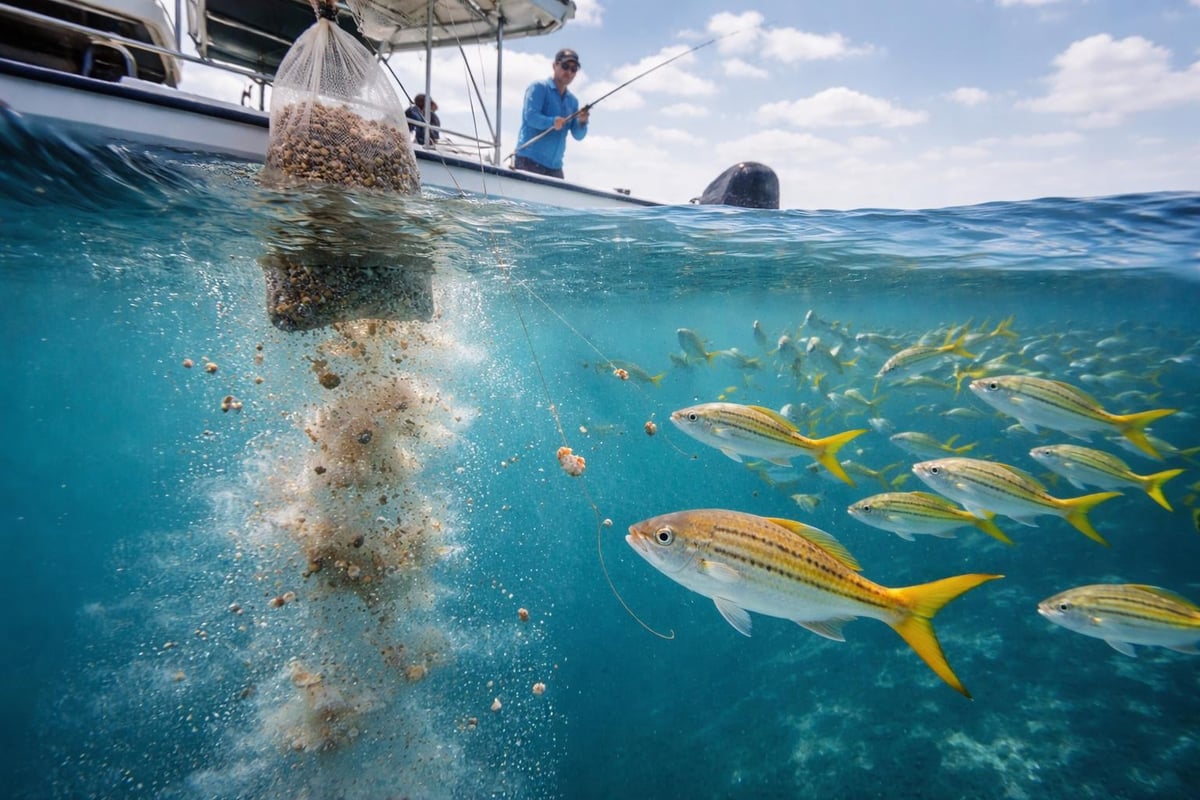
Most successful yellowtail anglers rely heavily on chumming. You're creating a feeding lane that brings fish up off the bottom and into striking range.
- Mix frozen chum blocks with fresh-cut bait pieces
- Establish a consistent chum line downcurrent from your position
- Keep the flow steady-sporadic chumming doesn't work
- Watch for yellowtail rising in the chum slick
Your baits should drift naturally in that chum line. Free-lining live pilchards or small pieces of ballyhoo works incredibly well. Let the bait sink on a tight line, feeling for that distinctive tap-tap bite.
Best Baits and Rigging
Yellowtail aren't particularly picky about what they eat, but presentation matters more than bait selection. Their diet includes small fish, shrimp, crabs, and various invertebrates, giving you plenty of options.
Live bait consistently outperforms everything else:
- Pilchards (scaled sardines)
- Threadfin herring
- Small pinfish
- Live shrimp
Cut bait works when live bait isn't available. Fresh squid strips, cut bonito, and ballyhoo chunks all produce. The key is keeping everything small-think thumbnail-sized pieces.
Rigging Strategies
Keep your rigs simple. A #1 or #2 circle hook tied directly to 20-30 pound fluorocarbon leader is hard to beat. No weight, no bobbers, no swivels-just hook and line.
Some anglers add a tiny split shot 18 inches above the hook when fish are holding deep, but resist the urge to over-complicate things. Yellowtail respond to natural presentations.
Timing Your Trips
Like most reef species, yellowtail feed most actively during low-light periods. Dawn and dusk produce the most consistent action, though you'll catch them throughout the day when conditions align.
Moon phase matters. Many experienced anglers target the days around new and full moons when tidal movement peaks. Strong current gets yellowtail feeding aggressively.
Seasonal Patterns
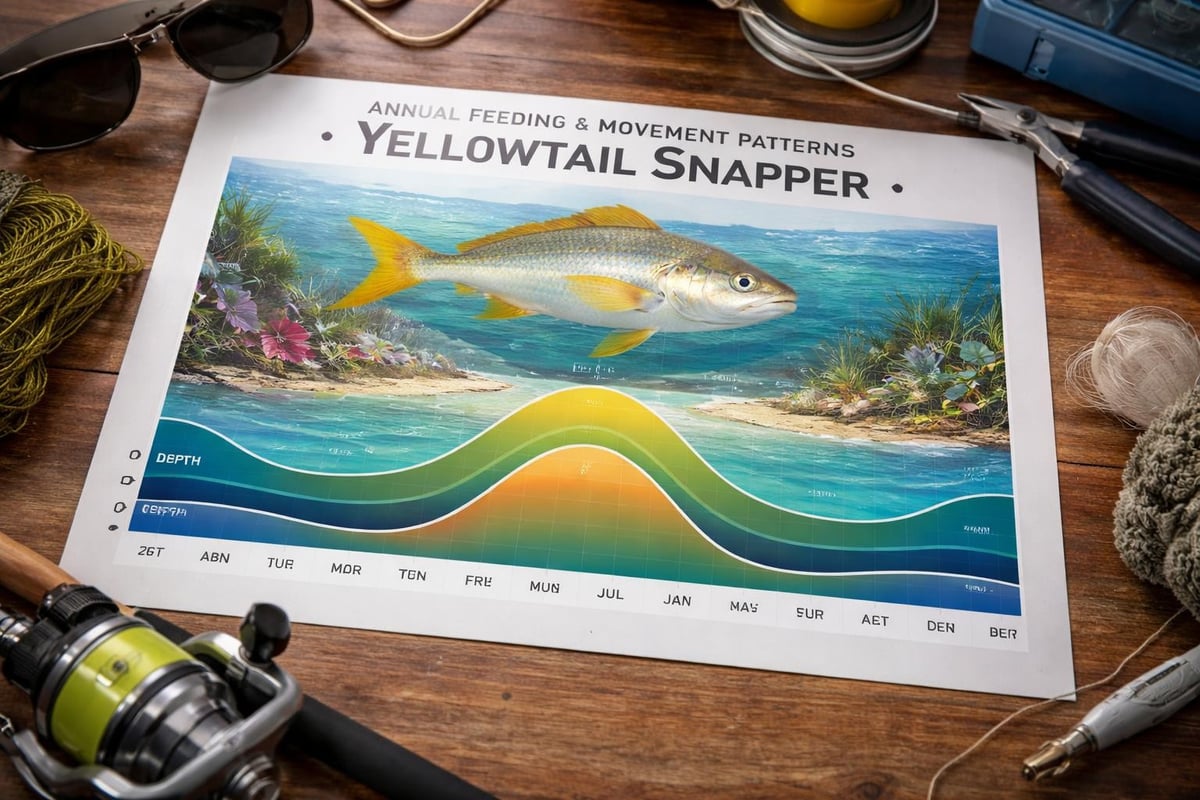
- Spring (March-May): Fish move shallow for spawning, excellent action
- Summer (June-August): Consistent fishing, slightly deeper during midday heat
- Fall (September-November): Prime time with aggressive feeding before winter
- Winter (December-February): Fish hold deeper but remain catchable
Water temperature above 70°F keeps yellowtail active. When you're planning trips using fishing spot directories, check recent catch reports for current patterns.
Handling and Conservation
Yellowtail snapper populations remain healthy thanks to reasonable regulations and most anglers practicing selective harvest. Florida sets bag limits and size minimums-check current rules before your trip.
These fish handle catch-and-release reasonably well if you work quickly. Use circle hooks to reduce gut hooking, keep fish in the water when possible, and release them headfirst into the current.
When you do keep fish for the table, ice them immediately. Yellowtail are exceptional eating fish with mild, sweet flesh that holds up to various cooking methods. Bleeding and icing your catch preserves that quality.
Yellowtail snapper offer the perfect combination of challenge and reward for reef anglers. Whether you're free-lining baits around artificial structure or drifting natural ledges, these fish test your skills while providing excellent table fare. Ready to target yellowtail on your next trip? Find Fishing Spots helps you locate productive reefs and wrecks across Florida and beyond, with GPS coordinates and detailed access information for your next adventure.