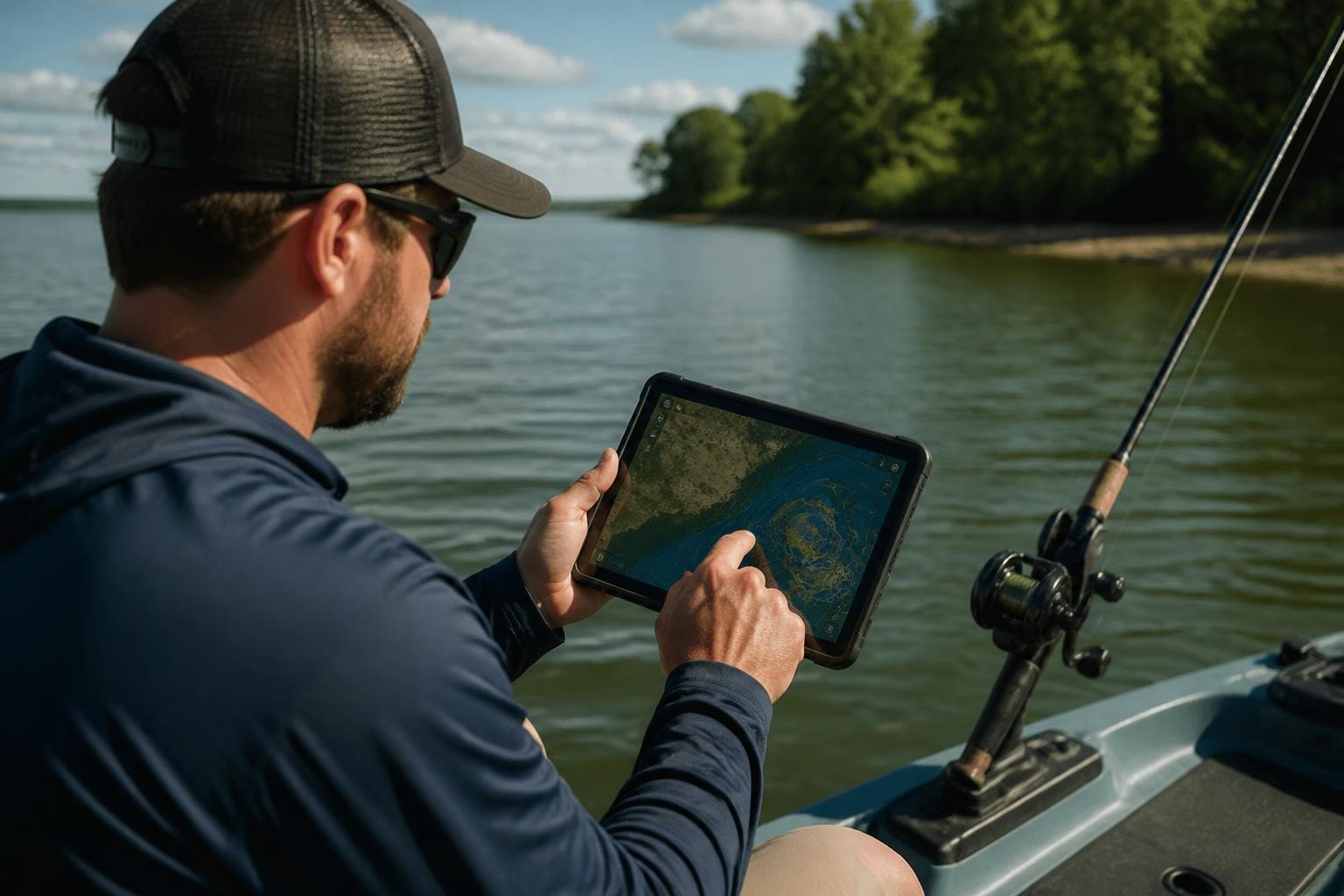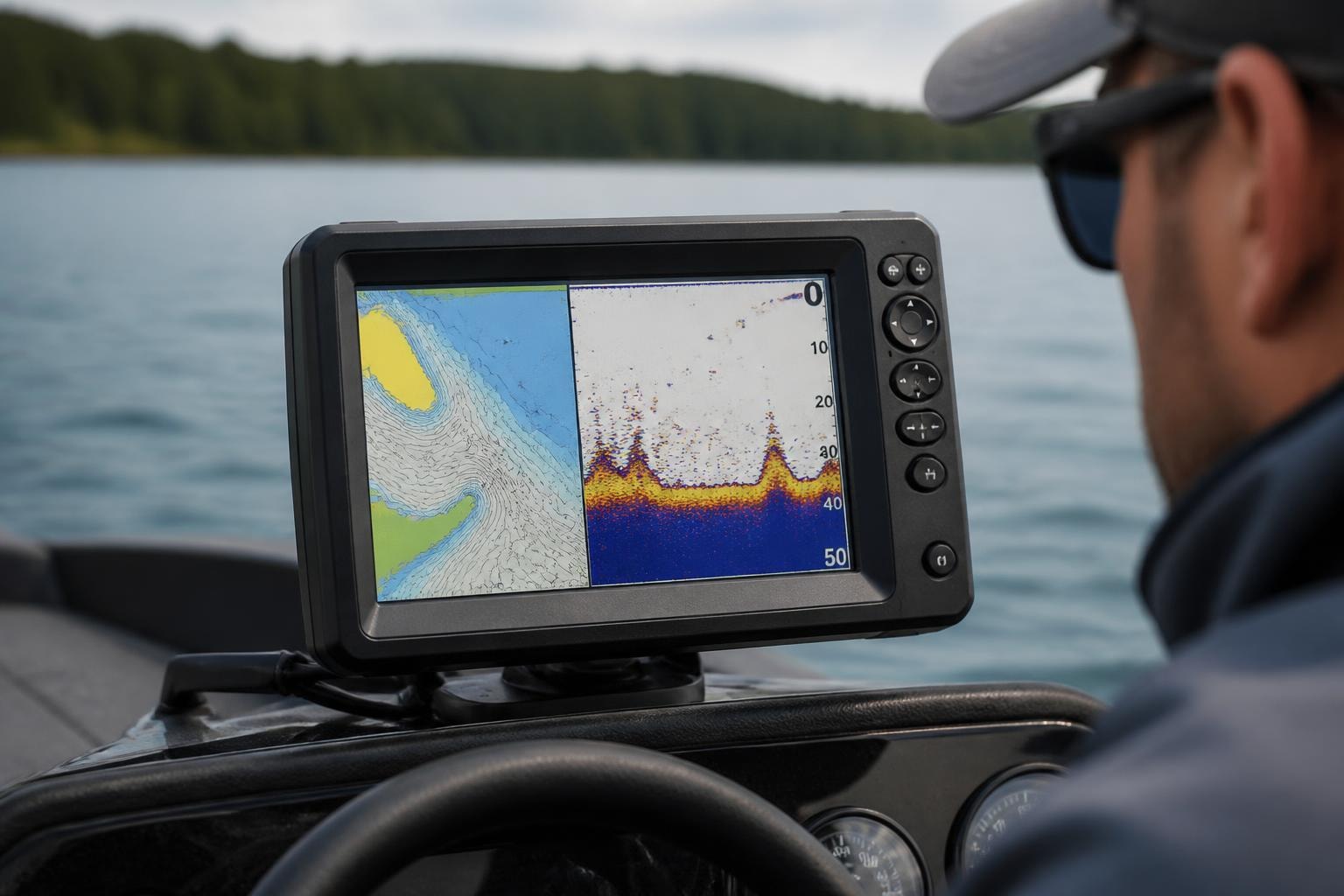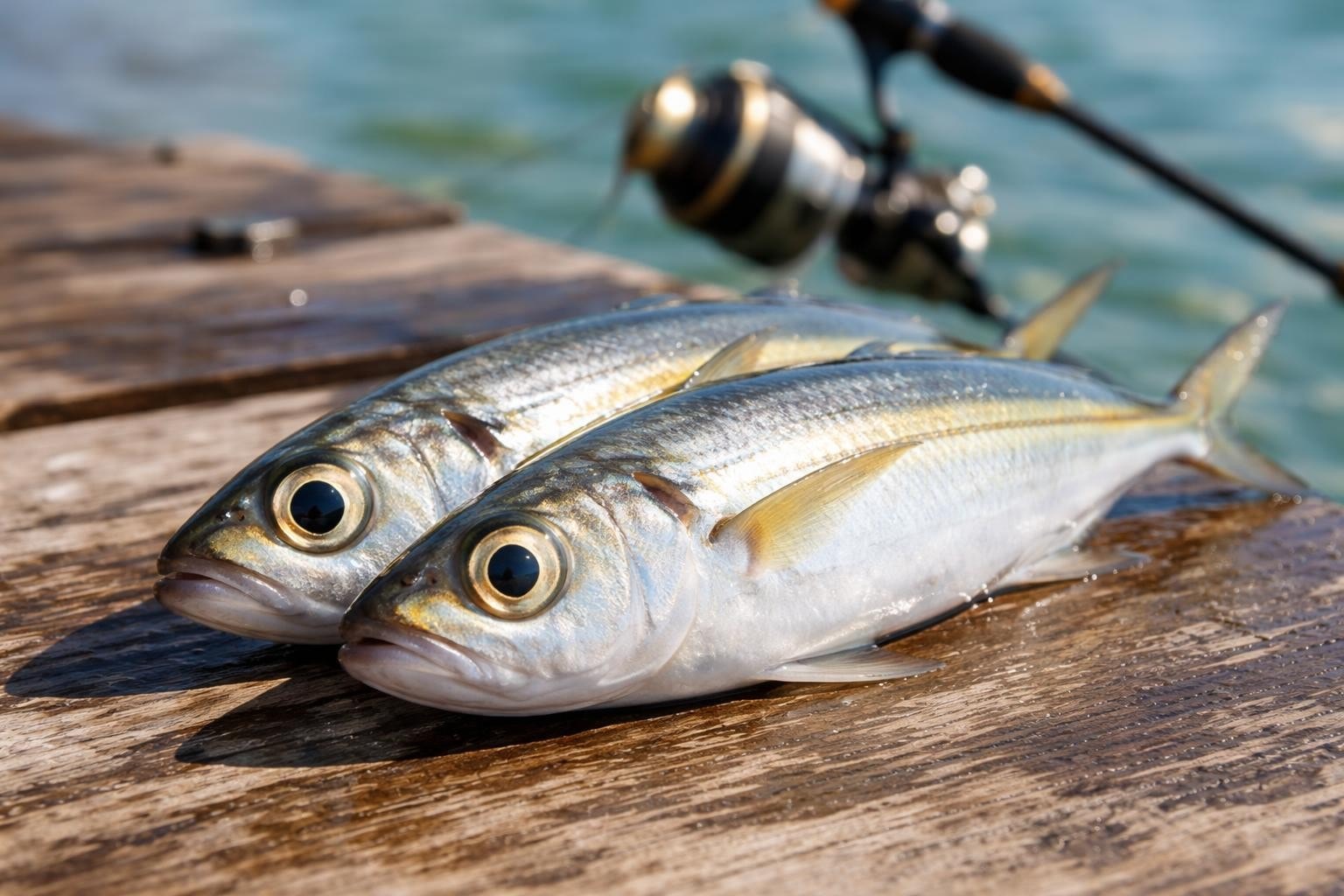
When you hear anglers talking about goggle eye bait fish, they might be referring to a few different species depending on where they're fishing. In saltwater environments, the term typically describes the big-eyed scad (Selar crumenophthalmus), a prized live bait for offshore gamefish. Head to freshwater lakes and rivers, and you'll find anglers using the same name for rock bass, a feisty panfish with distinctive large red eyes. Both varieties share one important trait: they're incredibly effective at attracting larger predators.
What Makes Goggle Eye Bait Fish So Effective
The goggle eye bait fish gets its name from those prominent, bulging eyes that seem almost too large for its body. This distinctive feature isn't just for show. Those oversized eyes help the fish navigate in low-light conditions and deeper waters, making them active during dawn, dusk, and nighttime hours when many gamefish feed most aggressively.
Saltwater goggle eyes have a natural shimmer and active swimming pattern that triggers predatory instincts in species like sailfish, mahi-mahi, and kingfish. Their oily flesh releases scent trails that attract fish from considerable distances. The goggle eye’s physical characteristics make them stand out in the water column, creating an irresistible target for hungry predators.
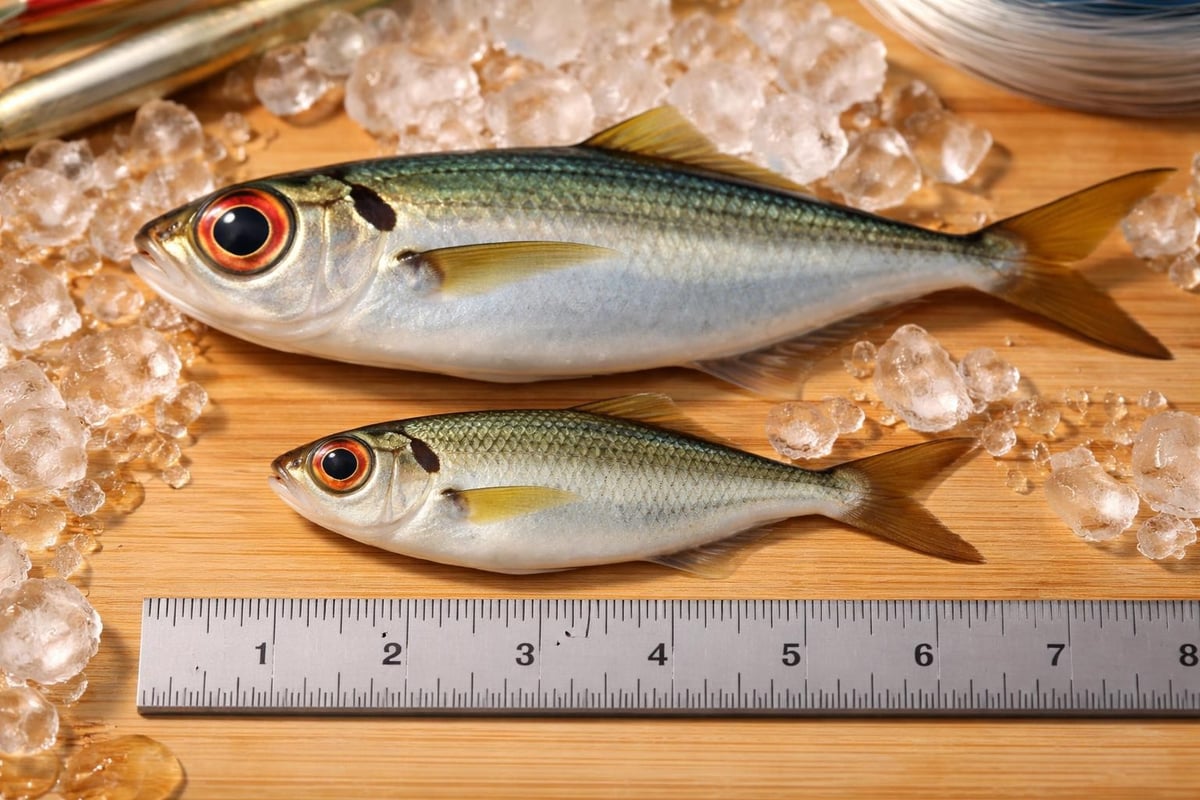
Freshwater goggle eyes (rock bass) offer similar advantages in rivers and lakes. Their chunky bodies and spirited movements appeal to smallmouth bass, walleye, and muskie. When you're exploring fishing spots across different regions, understanding which type of goggle eye lives in your target waters helps you plan your bait-gathering strategy.
Where to Find and Catch Goggle Eye Bait Fish
Saltwater Locations:
- Around offshore structures, wrecks, and artificial reefs
- Near channel markers and navigation buoys
- Along continental shelf edges
- Under floating debris or weed lines
In coastal waters from Florida to California, goggle eyes school around structures during daylight hours. Many charter captains catch them at night using specialized lights and sabiki rigs. The techniques for catching goggle eye baitfish offshore at night have become standard practice for serious anglers targeting pelagic gamefish.
Freshwater Locations:
- Rocky shorelines and boulder-strewn banks
- Bridge pilings and dock structures
- Deep pools with gravel or rock bottoms
- Submerged logs and woody cover
The freshwater variety thrives in clear streams and lakes with rocky substrate. According to the Missouri Department of Conservation, rock bass frequent similar habitats to smallmouth bass, making them accessible to bank and boat anglers alike.
Rigging Techniques for Maximum Success
Live Bait Presentation
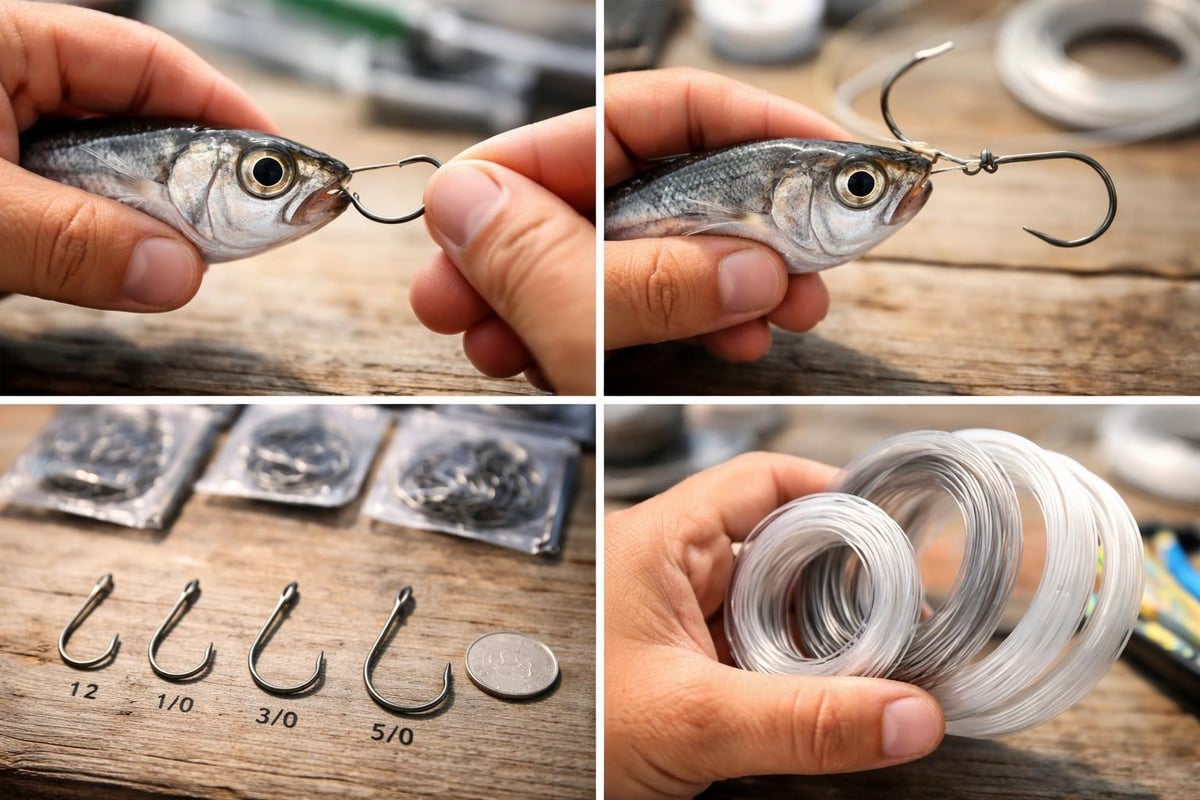
The way you rig a live goggle eye bait fish dramatically affects its action and durability. For kite fishing and slow-trolling, a proper rig keeps the bait swimming naturally while allowing easy hook-sets. The experts at FishTrack explain how to rig a live goggle eye using methods that maximize bait lifespan and presentation quality.
Common Rigging Methods:
- Nose hooking – Best for drifting and slow-trolling
- Bridle rigging – Allows natural swimming for kite fishing
- Through the eyes – Creates an upright presentation
- Shoulder hooking – Good for casting with minimal weight
Specialized gear like the goggle eye collection rigs simplifies the rigging process while improving bait performance. These pre-made rigs save time on the water and ensure consistent results.
Using Artificial Goggle Eye Patterns
Not every fishing trip allows time for catching live bait. Quality goggle eye imitations fill this gap effectively. Soft plastics, jerkbaits, and specialized jigs mimic the profile and action of the real thing. Products like the Skyline Gog-Bug jigs replicate the goggle eye's shape and swimming pattern, proving effective when live bait isn't available.
Regional Fishing Tactics and Seasonal Patterns
Coastal and Offshore Strategies
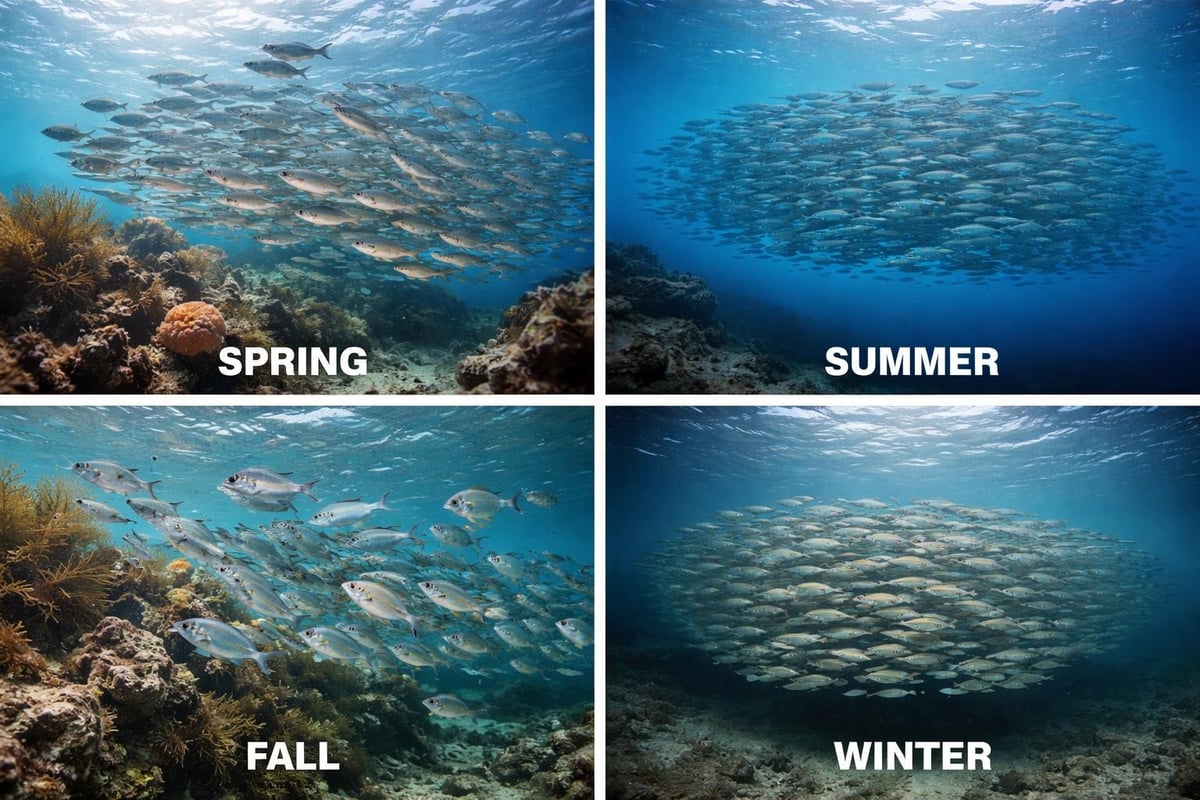
South Florida anglers have perfected goggle eye fishing over decades of chasing sailfish and kingfish. The baits work year-round but peak during spring and fall migrations. When you're checking out Florida coastal fishing spots, remember that goggle eyes concentrate around structure during strong current periods.
California offshore anglers target yellowtail and tuna using similar techniques. Locations like the Rock Pile near San Diego hold both goggle eyes and the gamefish that eat them.
Freshwater Approaches
In river systems and lakes, freshwater goggle eye bait fish respond to seasonal changes. Spring spawning brings them shallow, making them easier to catch. The Louisiana Sportsman’s goggle-eye tips detail how current, water temperature, and structure influence their movements in southern waterways.
Summer heat pushes them to deeper, cooler water near rocky points and ledges. Fall turnover reactivates feeding, and winter finds them in slower, deeper pools. The Missouri Conservation article on goggle-eye fishing provides excellent seasonal insights for midwestern anglers.
Storage and Care for Live Bait
Keeping goggle eye bait fish alive requires attention to water quality and stress reduction. Use rounded livewell tanks to prevent nose injuries from panicked swimming. Maintain water temperature within ten degrees of capture temperature, and ensure adequate oxygen through aeration or recirculation systems.
Essential Care Tips:
- Minimize handling to preserve protective slime coating
- Add aquarium salt to reduce stress and improve gill function
- Keep bait density low (never overcrowd your livewell)
- Change water regularly or use continuous flow-through systems
- Avoid sudden temperature or salinity changes
Healthy, active goggle eyes dramatically outperform stressed or dying bait. The investment in proper livewell equipment pays dividends in hookup rates and overall fishing success. When you're planning trips to saltwater spots across different cities, factor in bait care logistics alongside tackle preparation.
Whether you're fishing offshore structures for pelagic predators or working rocky streams for bronzebacks, goggle eye bait fish deliver consistent results across diverse conditions. Understanding species differences, seasonal patterns, and proper presentation techniques puts more fish in the boat throughout the year. Ready to put these tips to work? Find Fishing Spots helps you locate productive waters near you with GPS coordinates, access details, and local insights for both saltwater and freshwater destinations.