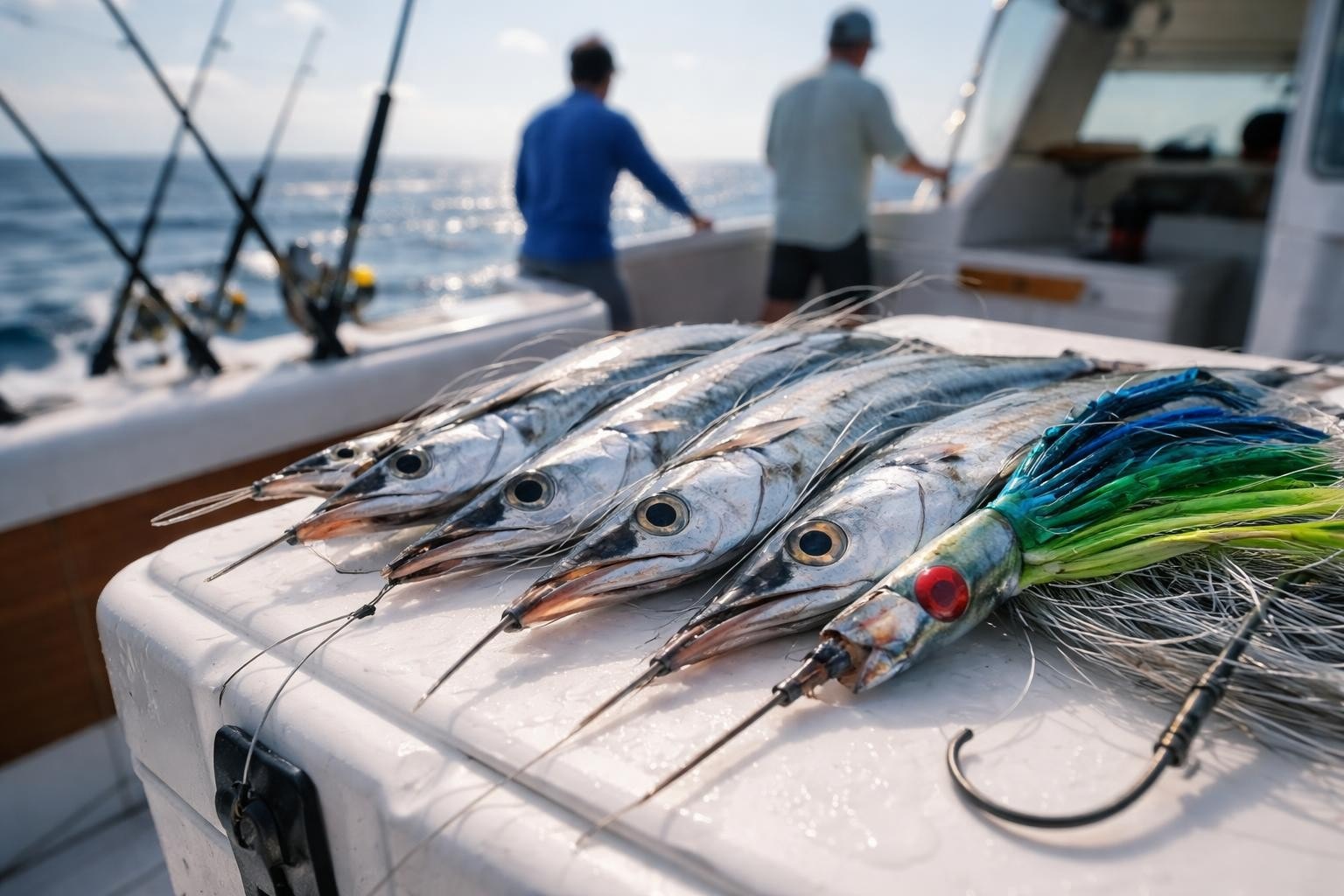
If you've spent any time talking to offshore anglers, you've probably heard them rave about ballyhoo bait. This slender, silvery fish has earned its reputation as one of the most reliable baits for big game fishing. Whether you're targeting billfish, tuna, or mahi-mahi, ballyhoo bait offers a natural presentation that predators can't resist. The trick is knowing how to rig it properly and where to use it for maximum success.
What Makes Ballyhoo Bait So Effective
Ballyhoo belongs to the halfbeak family and naturally swims in tropical and subtropical waters throughout the Atlantic and Gulf of Mexico. These fish have a distinctive elongated lower jaw that creates an enticing profile when rigged and trolled.
The key advantages of using ballyhoo bait include:
- Natural scent and flash that triggers predatory instincts
- Versatile size range from 6 to 12 inches for different target species
- Durable enough to withstand high-speed trolling
- Widely available frozen at most coastal bait shops
- Can be rigged multiple ways for different fishing conditions
The streamlined body shape of ballyhoo bait creates realistic swimming action at various trolling speeds. When properly rigged, they dive, swim, and wobble just like live baitfish fleeing from predators.
Essential Rigging Techniques
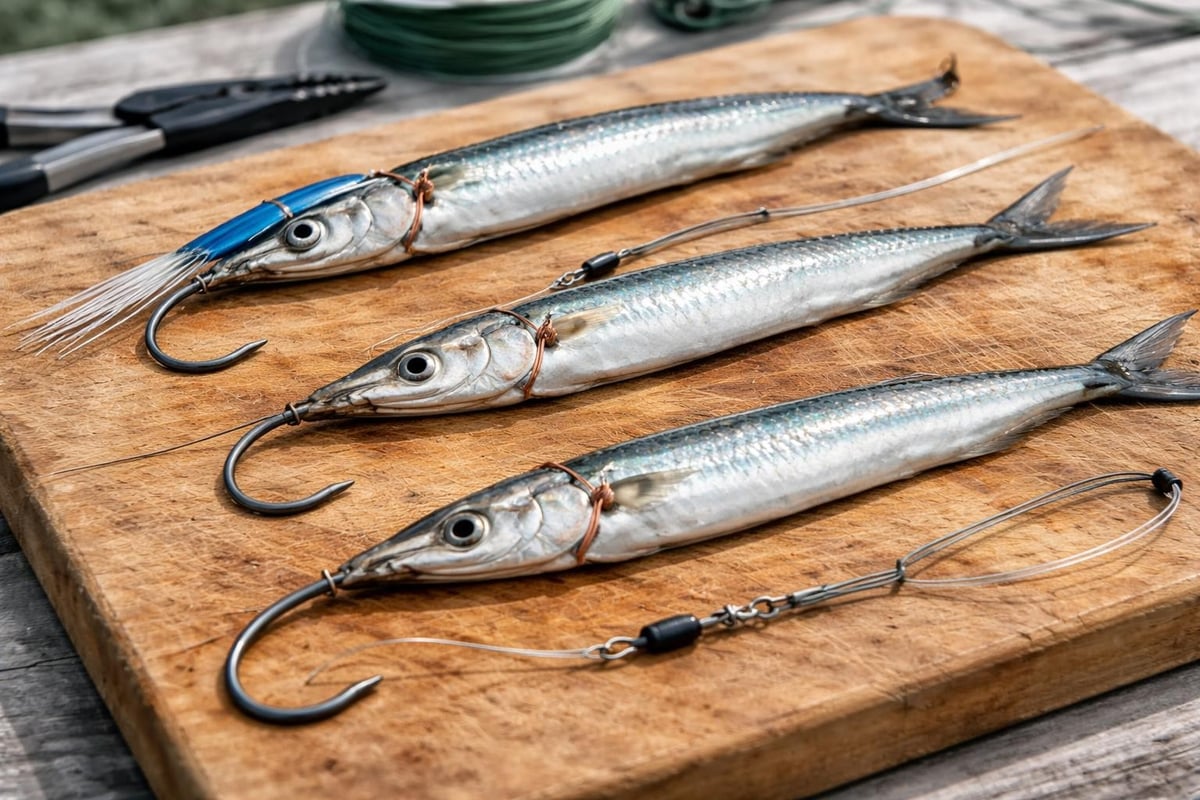
Getting your ballyhoo bait rigged correctly makes all the difference between strikes and empty lines. The traditional circle hook ballyhoo rigging method has become increasingly popular for improving hookup rates.
The Pin Rig Method
Start by deboning the ballyhoo through the gill plate. Insert your rigging needle through the eye sockets and out the bottom of the jaw. Thread your leader through, then secure everything with a copper pin through the lower jaw. This classic approach keeps the bait straight and swimming true.
Circle Hook Configurations
Modern anglers prefer circle hooks for conservation and better landing percentages. Position the hook so the point rides along the belly, creating a natural curve. The "X rig" uses rubber bands or rigging floss to hold everything in place without damaging the bait.
For detailed step-by-step instructions on various rigging styles, check out this comprehensive ballyhoo rigging guide that covers everything from basic to advanced techniques.
Preserving Your Ballyhoo Bait
Fresh, firm bait catches more fish than mushy, poorly maintained ballyhoo. Most anglers purchase frozen ballyhoo, which means proper thawing and preservation becomes critical.
Follow these preservation steps:
- Thaw ballyhoo slowly in a cooler with ice
- Never use warm water for quick thawing
- Apply kosher salt to firm up the flesh
- Keep baits on ice between rigging sessions
- Discard any bait showing signs of deterioration
Captain Brian's expert advice on preserving ballyhoo bait emphasizes that proper salt brining can extend bait life significantly during long trolling sessions. Some tournament anglers even brine their ballyhoo days in advance.
Best Locations for Ballyhoo Success
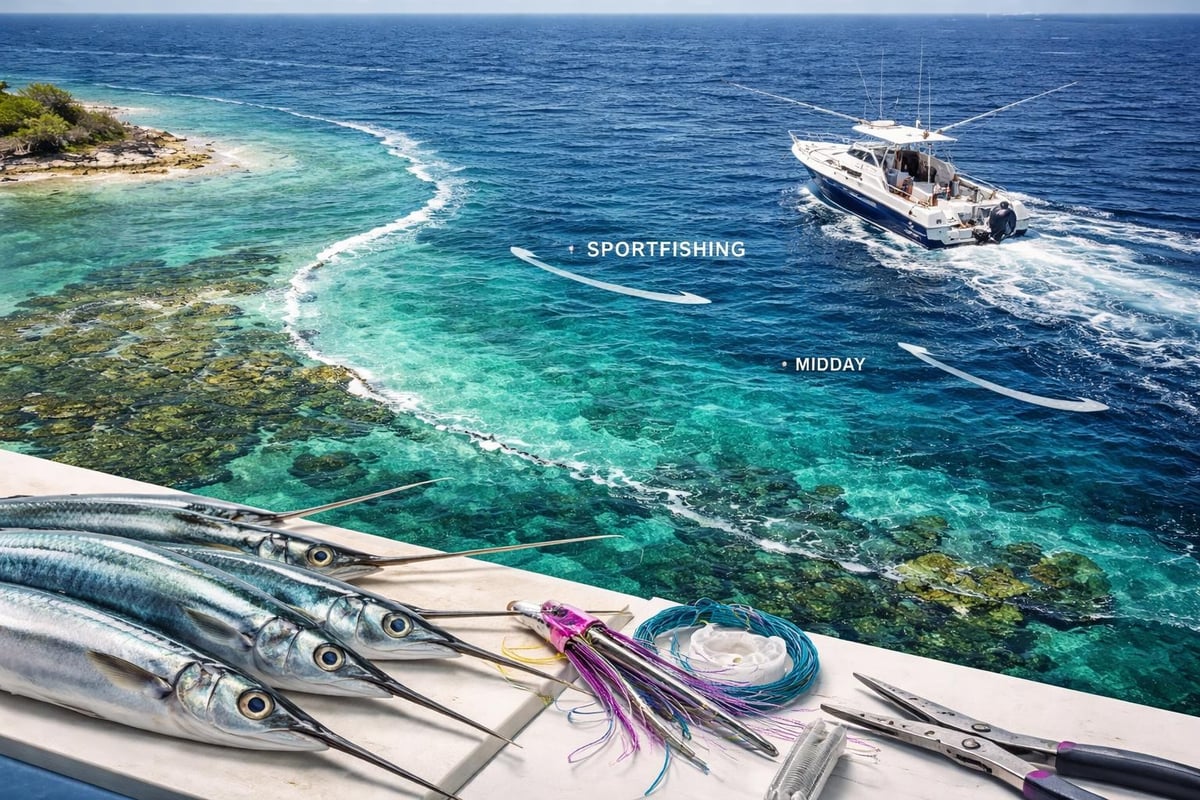
Knowing where to deploy your ballyhoo bait dramatically improves your catch rates. These baits excel in offshore environments where pelagic species hunt.
Offshore Reef Systems
Drop your ballyhoo spreads around reef structures where ambush predators lurk. Spots like Schoolmaster Ledge in Miami Beach offer excellent opportunities for grouper and snapper when you fish ballyhoo near the bottom.
Wreck Fishing Hotspots
Artificial reefs and shipwrecks concentrate baitfish and predators. Locations such as Billy’s Barge create perfect ambush zones where properly rigged ballyhoo bait can entice trophy fish.
Blue Water Edges
Temperature breaks, current lines, and color changes in open water attract migratory species. Troll your ballyhoo along these features at varying depths to locate active fish. The Coquina wreck area often produces when you work ballyhoo around the structure's edges.
Target Species and Techniques
Different game fish respond to specific ballyhoo presentations. Understanding these preferences helps you optimize your spread.
Billfish and Sailfish
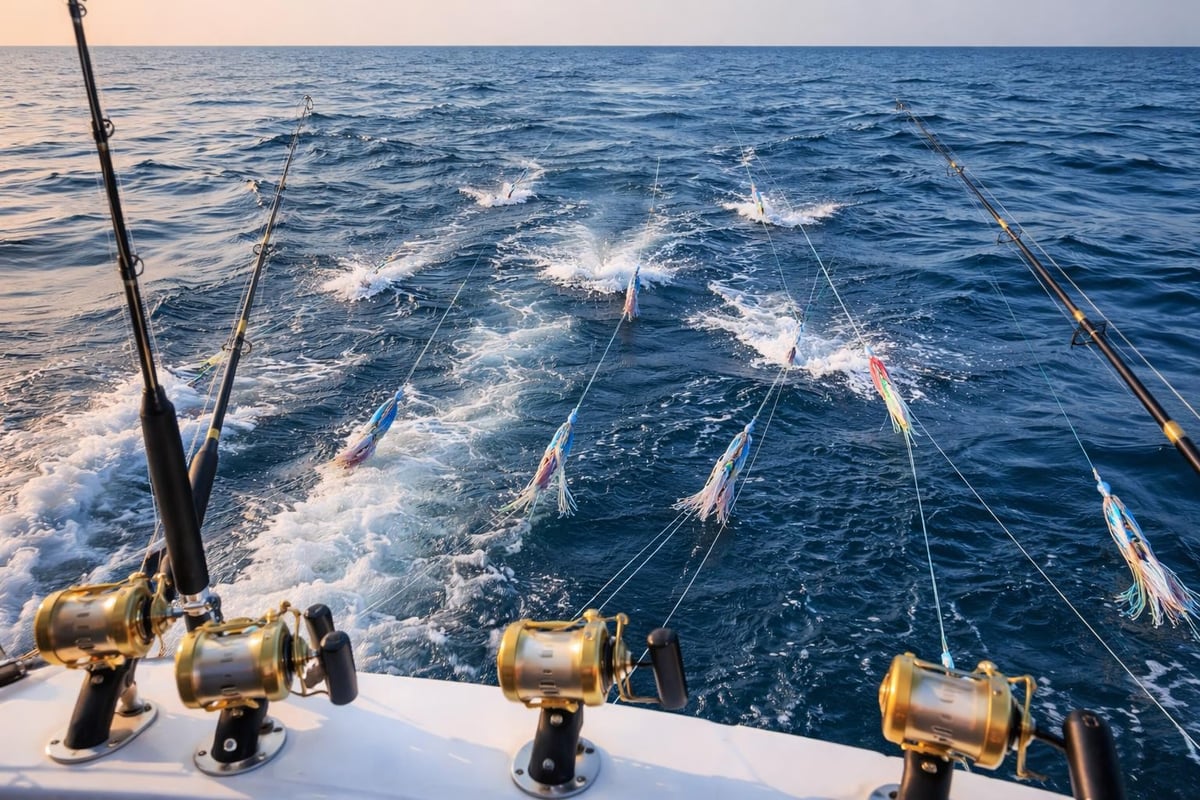
These apex predators love ballyhoo trolled at 6-8 knots. Rig multiple baits at staggered distances, varying your leader lengths from short riggers to long flat lines. Position some baits to skip on the surface while others swim just below.
Mahi-Mahi Madness
Dolphin fish attack ballyhoo with abandon, especially when you add flash. Creating ballyhoo with Mylar wings mimics flying fish and triggers aggressive strikes from mahi cruising weed lines and floating debris.
Tuna Tactics
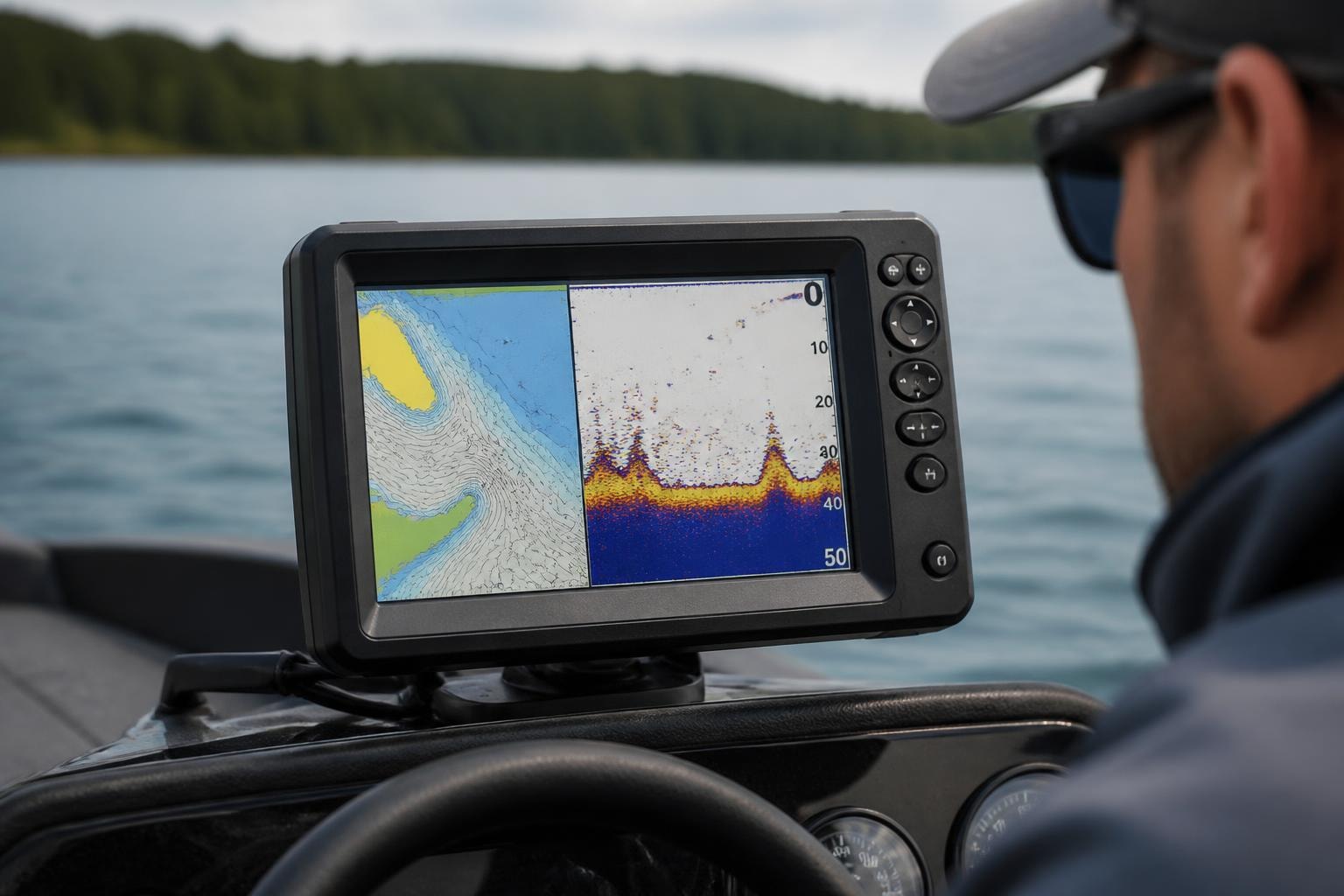
Yellowfin and blackfin tuna prefer smaller ballyhoo rigged on lighter tackle. Speed up your trolling to 8-10 knots and keep baits skipping across the surface. When you mark fish on your sonar, circle back and work the area thoroughly.
Live Ballyhoo vs Frozen
While frozen ballyhoo dominates the market, some dedicated anglers pursue live specimens for ultimate realism. Capturing live ballyhoo with hoop nets offers advantages over cast nets by reducing stress and injury to the baitfish.
Live ballyhoo require aerated live wells and careful handling. They're incredibly fragile compared to hardier baits like pilchards or pinfish. However, their natural swimming action when slow-trolled or kite-fished produces explosive strikes from finicky fish.
Most weekend anglers stick with frozen ballyhoo for practical reasons. They're available year-round, store easily, and fish just as effectively when rigged correctly. The convenience factor alone makes frozen ballyhoo the go-to choice for the majority of offshore trips.
Advanced Rigging Modifications
Once you've mastered basic rigging, experiment with variations that match specific conditions. Different ballyhoo rigging types serve distinct purposes from surface skipping to deep diving presentations.
Adding weighted egg sinkers or chin weights changes how your ballyhoo swims. Heavier rigs dive deeper and maintain position in rough seas. Lighter setups skip and dance on the surface, creating commotion that attracts curious predators from a distance.
Some anglers combine ballyhoo with skirted lures or plastic teasers for added attraction. This hybrid approach gives you the flash and vibration of artificials plus the scent and taste of natural bait.
Mastering ballyhoo bait techniques opens up exciting possibilities for offshore fishing success. Whether you're exploring new waters or revisiting proven producers, having the right information makes all the difference. When you're ready to discover productive offshore fishing locations with detailed GPS coordinates and access information, Find Fishing Spots helps you locate prime areas where your ballyhoo rigging skills will shine. Start exploring new fishing adventures today and connect with the spots that consistently produce trophy catches.