If you've ever tried scooping up live ballyhoo from a dock or pier without the right gear, you know it's like trying to catch smoke with your bare hands. These quick, darting baitfish are essential for offshore fishing success, but getting them into your livewell requires the right approach. That's where a ballyhoo hoop comes into play, transforming a frustrating chase into a smooth operation that gets you fishing faster.
What Makes a Ballyhoo Hoop Different
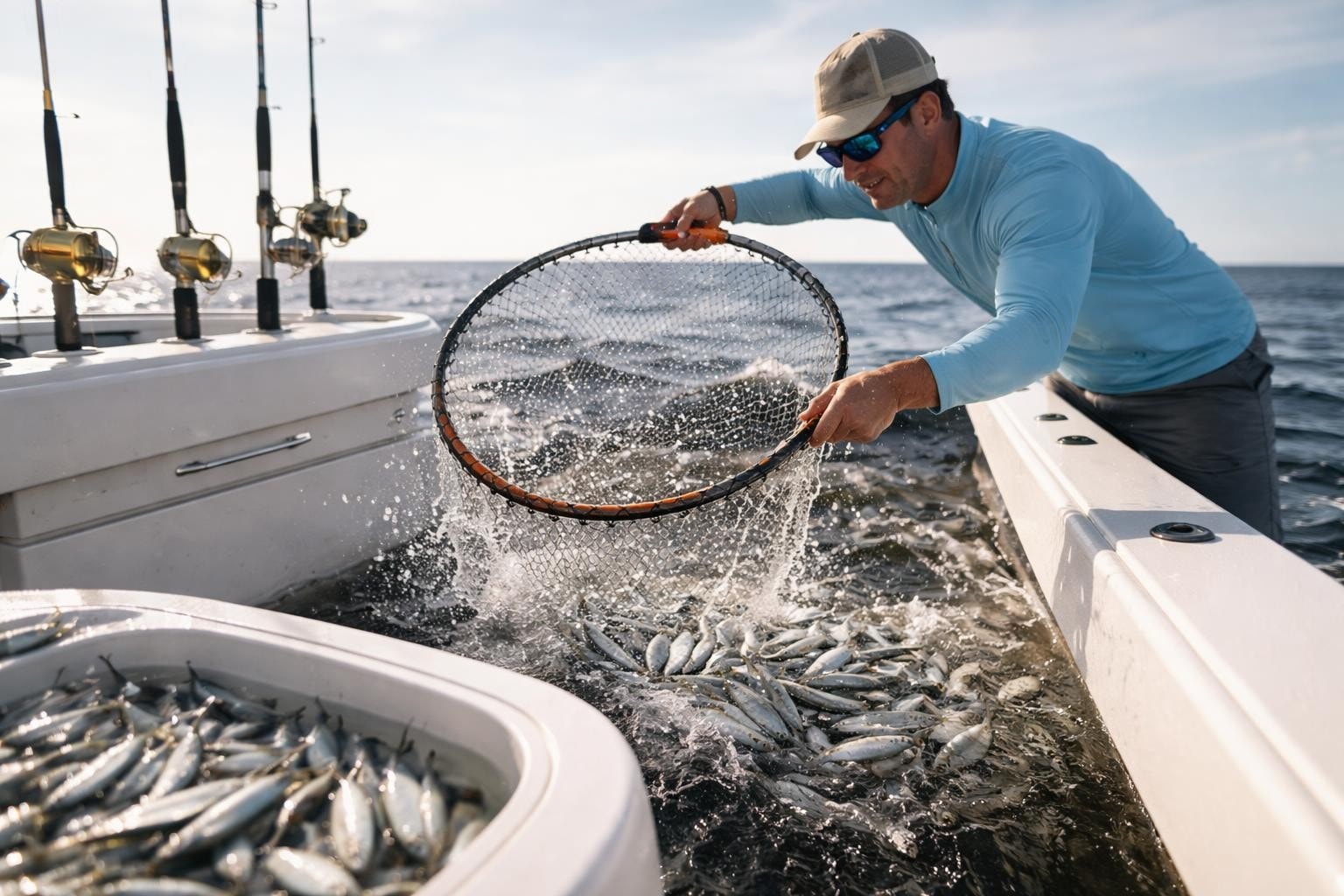
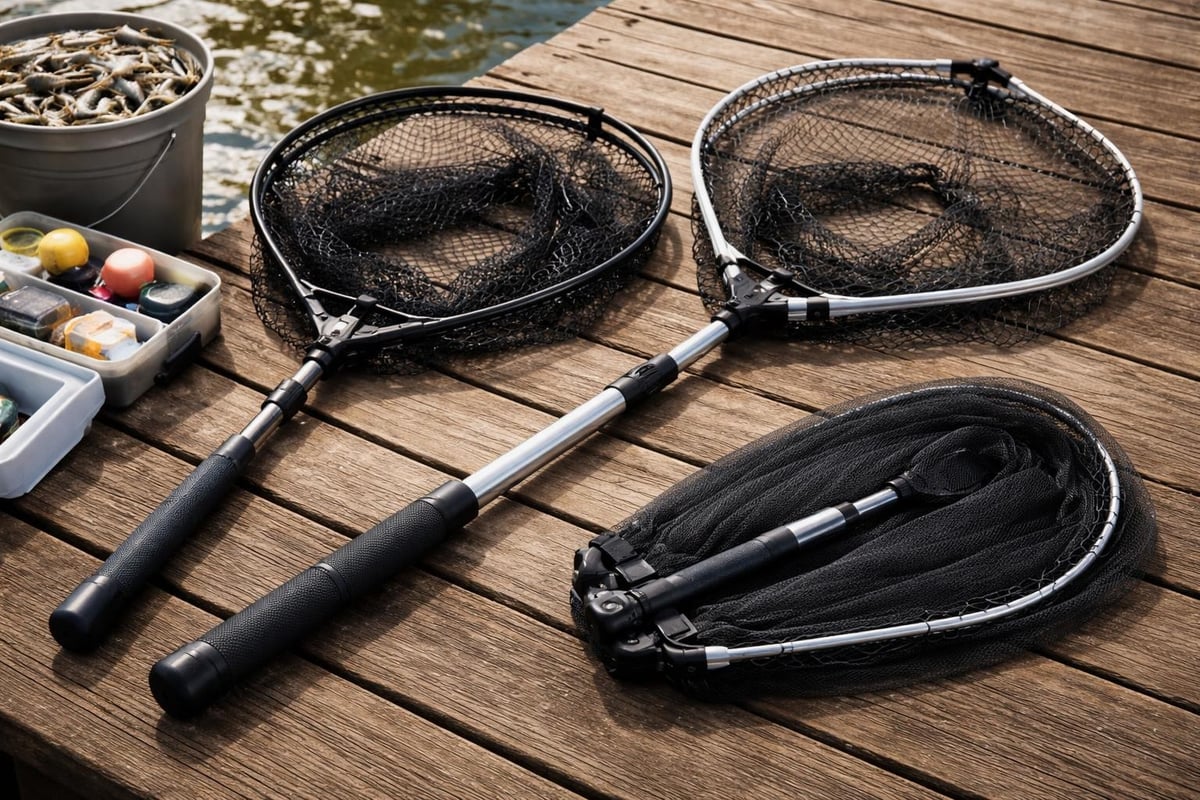
A ballyhoo hoop is a specialized collapsible net designed specifically for catching live baitfish, particularly the ballyhoo that offshore anglers prize. Unlike standard cast nets or dip nets, these hoops feature a unique design that makes them incredibly effective for scooping baitfish around docks, bridges, and lighted areas at night.
Key features that set ballyhoo hoops apart:
- Collapsible aluminum or stainless steel frames that fold flat for storage
- Fine mesh netting that won't damage delicate scales
- Extended handles (typically 4-6 feet) for reaching bait from elevated positions
- Quick-release mechanisms for easy deployment
- Lightweight construction that won't tire you out during extended bait-catching sessions
The Stealth Collapsible Hoop Net by BallyHoop represents the modern approach to this essential tool, combining durability with portability in a package that fits easily in any boat's storage compartment.
Why Ballyhoo Matter for Offshore Success
Before diving deeper into hoop selection, it's worth understanding why ballyhoo are so valuable. These slender baitfish are a natural food source for pelagic predators including sailfish, marlin, dolphin (mahi-mahi), and tuna. When you're heading to saltwater fishing spots in Florida, having fresh ballyhoo can make the difference between a slow day and a trophy catch.
What serious offshore anglers know about ballyhoo is that these baitfish schools concentrate around lighted structures during evening hours, making them accessible to anglers who know where and how to catch them. The ballyhoo hoop gives you the reach and control needed to scoop them efficiently without spooking the entire school.
Timing Your Bait Collection
The best time to use your ballyhoo hoop is during low-light conditions when baitfish gather around illuminated areas. Early morning just before sunrise and evening hours after sunset produce the most consistent results. Moonless nights often concentrate bait even tighter around artificial lights.
Choosing the Right Ballyhoo Hoop
Not all hoops are created equal, and selecting the right one depends on where and how you fish. Consider these factors before making your purchase:
- Frame diameter: Larger hoops (24-30 inches) catch more bait per scoop but are harder to maneuver in tight spaces
- Handle length: Longer handles reach deeper but require more storage space and can be awkward in wind
- Mesh size: Finer mesh catches smaller bait but creates more water resistance
- Weight: Lighter hoops reduce fatigue but may lack durability for frequent use
- Collapse mechanism: Single-motion designs speed up deployment when bait schools appear
The BallyHoop Aluminum Collapsible Hoop Net offers an excellent balance of these features, with a corrosion-resistant frame that handles saltwater environments without deteriorating.
Proven Techniques for Maximum Success
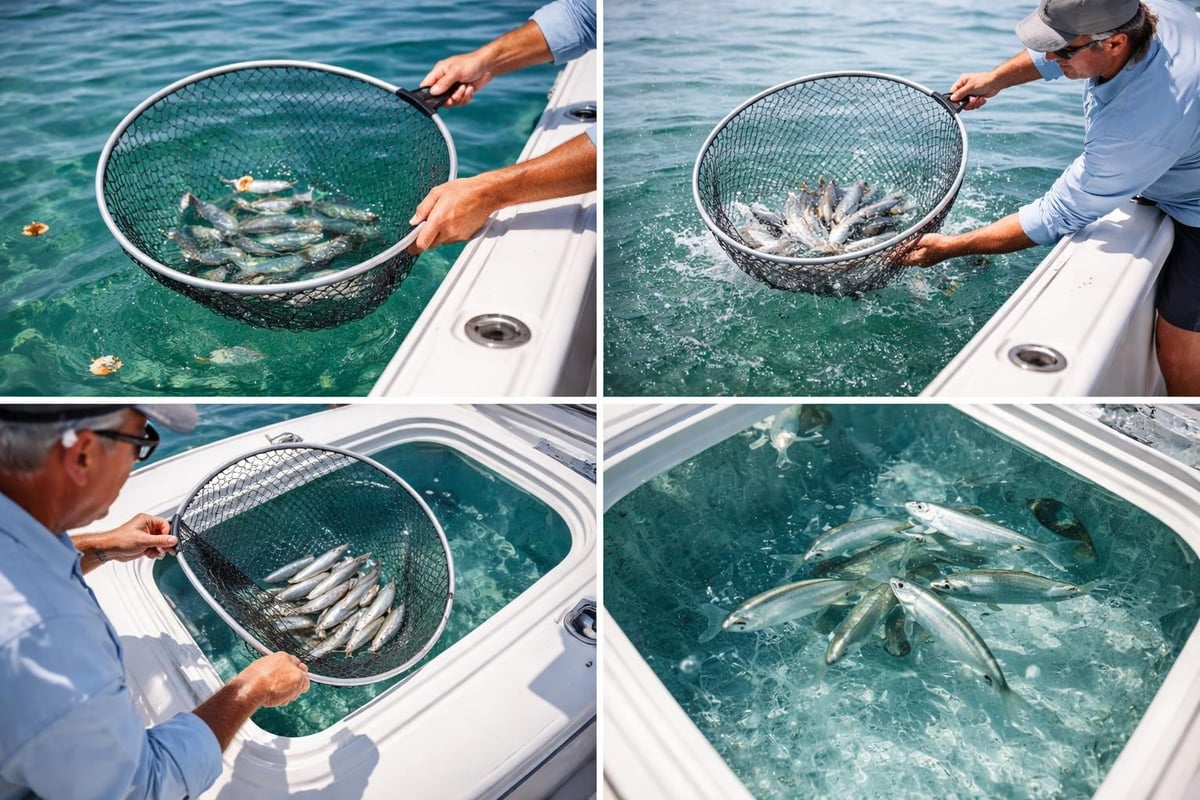
Having a quality ballyhoo hoop is only half the battle. Technique matters just as much as equipment. Position yourself upwind or up-current from the bait school, allowing your hoop to drift naturally toward the concentration. Quick, smooth scooping motions work better than aggressive jabs that scatter the school.
Pro tips from experienced bait catchers:
- Keep your hoop in the water rather than repeatedly lifting and lowering it
- Watch for the "nervous water" that indicates bait is about to ball up
- Use a headlamp sparingly; too much light can spook wary ballyhoo
- Transfer caught bait to your livewell immediately to maintain freshness
- Aerate your livewell properly; ballyhoo are sensitive to low oxygen levels
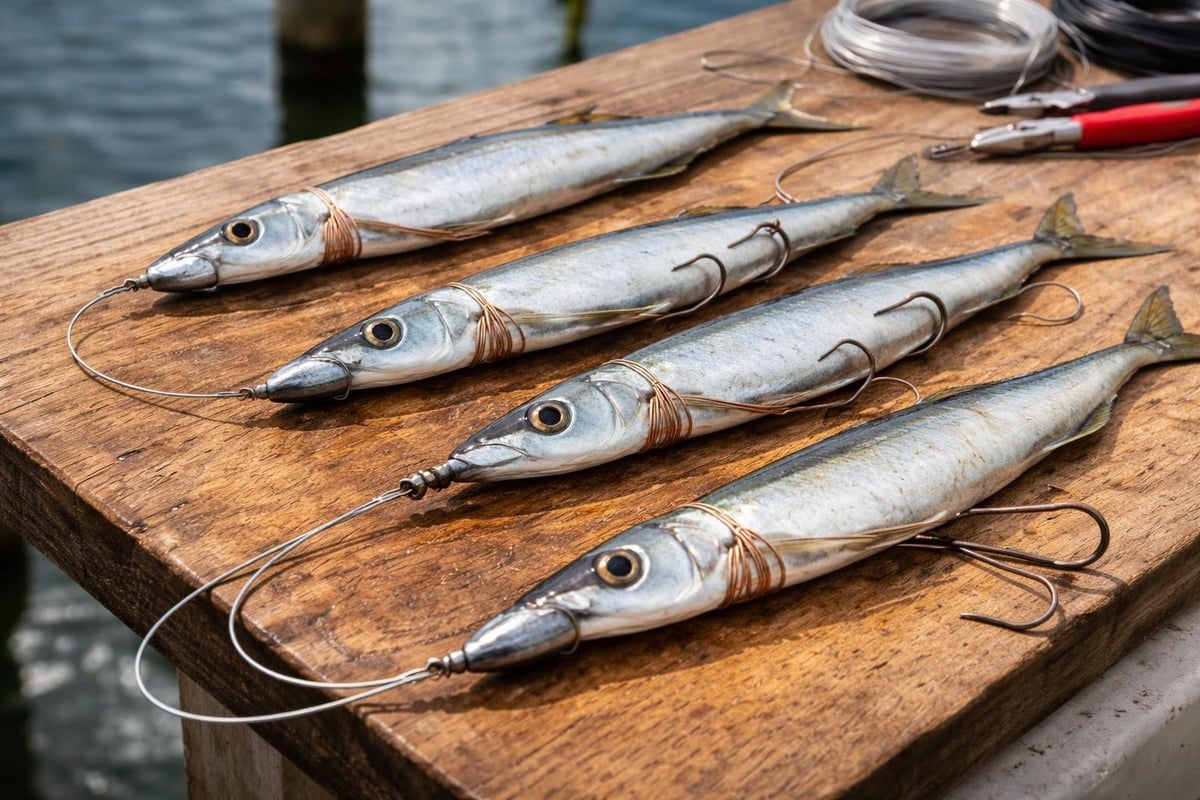
Once you've secured fresh bait, proper rigging becomes crucial. Learning how to properly rig a ballyhoo maximizes its effectiveness when trolling or slow-pitching around structure.
Where to Catch Ballyhoo
Locating productive bait-catching spots requires some exploration, but certain features consistently attract schools. Bridges with overhead lighting, marina docks, channel markers with lights, and inlet jetties all concentrate baitfish during appropriate conditions.
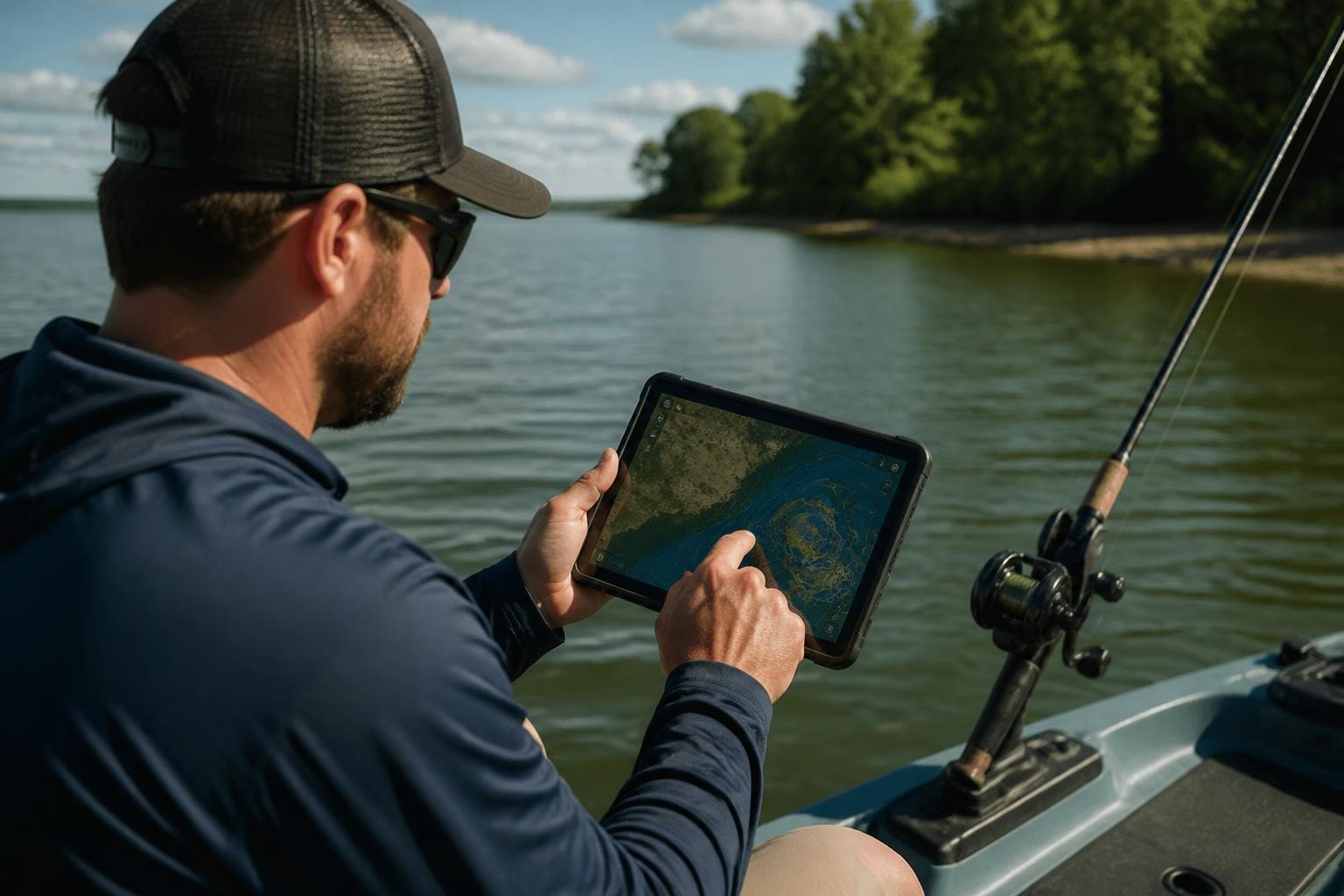
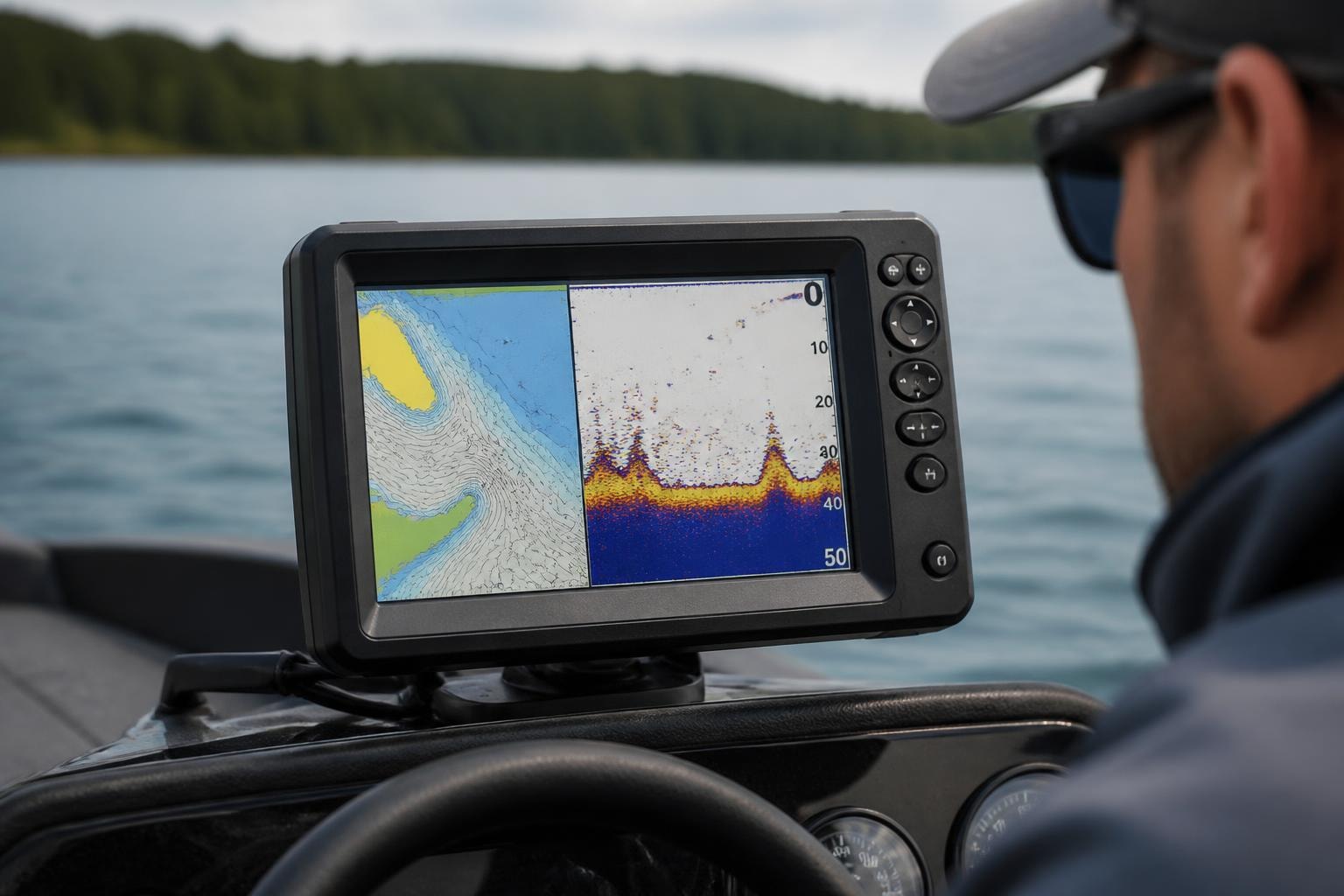
When planning your bait-catching missions, finding fishing spots with the right infrastructure helps you identify locations with dock access, lighting, and proximity to offshore fishing grounds. The connection between bait availability and fishing success can't be overstated.
Alternative Bait Options
While nothing beats fresh ballyhoo, understanding the versatility of ballyhoo as bait includes knowing when frozen or artificial options make sense. The Chewy Hoo Rubber Ballyhoo provides a durable alternative when live bait isn't available or conditions make catching it impractical.
Maintenance and Storage
Your ballyhoo hoop will last years with proper care. Rinse it thoroughly with fresh water after each saltwater use, paying special attention to joints and hinges where salt crystals accumulate. Store the hoop in its collapsed position to prevent frame distortion, and periodically inspect mesh for tears or weak spots that could let bait escape.
Replace mesh when you notice fraying along edges or around the frame attachment points. Most quality hoops feature replaceable netting, extending the life of your investment significantly.
Advanced Strategies
Experienced anglers often modify their approach based on bait behavior and environmental conditions. When ballyhoo are scattered rather than schooled, switching to a smaller hoop with a longer handle allows more precise targeting of individual fish. In strong currents, positioning downstream and using the current to sweep bait into your hoop works better than fighting the flow.
Understanding where to locate and catch ballyhoo gives you the knowledge to adapt your technique to different scenarios. Some anglers even use multiple hoops, deploying them in sequence to maximize catches when schools are thick.
Mastering the ballyhoo hoop opens up consistent access to one of offshore fishing's most effective baits, turning your preparation time into productive catching time. Whether you're heading out for sailfish, tuna, or any species that feed on these silvery baitfish, starting with fresh ballyhoo puts the odds firmly in your favor. Ready to find your next productive bait-catching location? Explore Find Fishing Spots to discover saltwater fishing locations with detailed access information, GPS coordinates, and local insights that help you plan successful trips from bait catching to trophy landing.