Using pilchards bait has been a go-to strategy for anglers along coastlines for generations. Whether you're targeting snapper off the California coast or working the flats in Florida, these silvery fish consistently produce results. Pilchards, also known as sardines in some regions, offer a natural presentation that gamefish simply can't resist. Their oily flesh creates a scent trail in the water, while their flash and movement trigger predatory instincts. From frozen chunks to live specimens, pilchards bait remains one of the most versatile and effective options for saltwater fishing across the United States.
Why Pilchards Work So Well
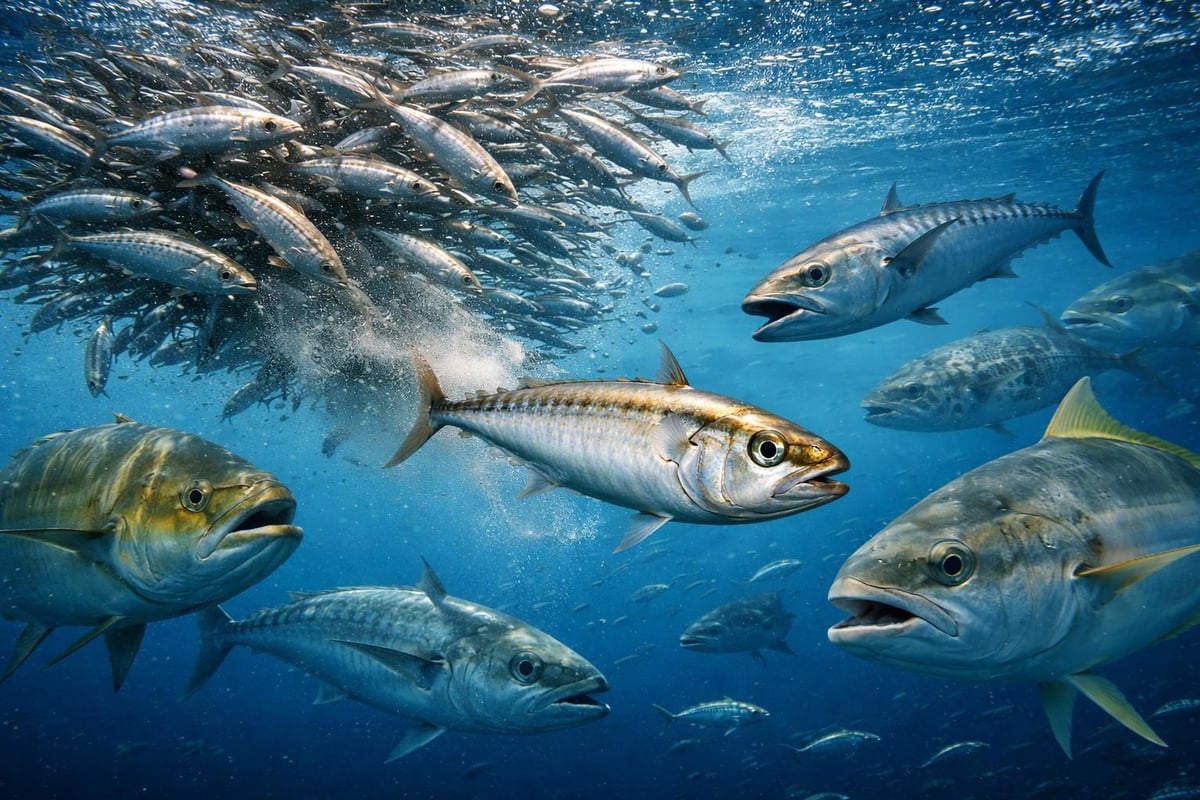
Pilchards have earned their reputation as premier bait for several compelling reasons. Their natural abundance in coastal waters means gamefish encounter them regularly as a primary food source. When you present pilchards bait, you're offering something fish already recognize and hunt.
The oily composition of pilchards creates an irresistible scent trail that disperses through the water column, attracting fish from considerable distances. This characteristic makes them particularly effective in murky water or during low-light conditions when visual presentation matters less than smell.
The size range of pilchards makes them adaptable for various target species. Small specimens work perfectly for snapper, whiting, and other medium-sized fish, while larger pilchards can tempt kingfish, tarpon, and even sharks. You can fish them whole, as halves, or in chunks depending on your target and conditions.
Their firm flesh holds well on hooks, even during long drifts or when dealing with bait stealers. This durability means you'll spend more time fishing and less time re-rigging, which directly translates to more hookups during your session.
Sourcing and Storing Your Pilchards Bait
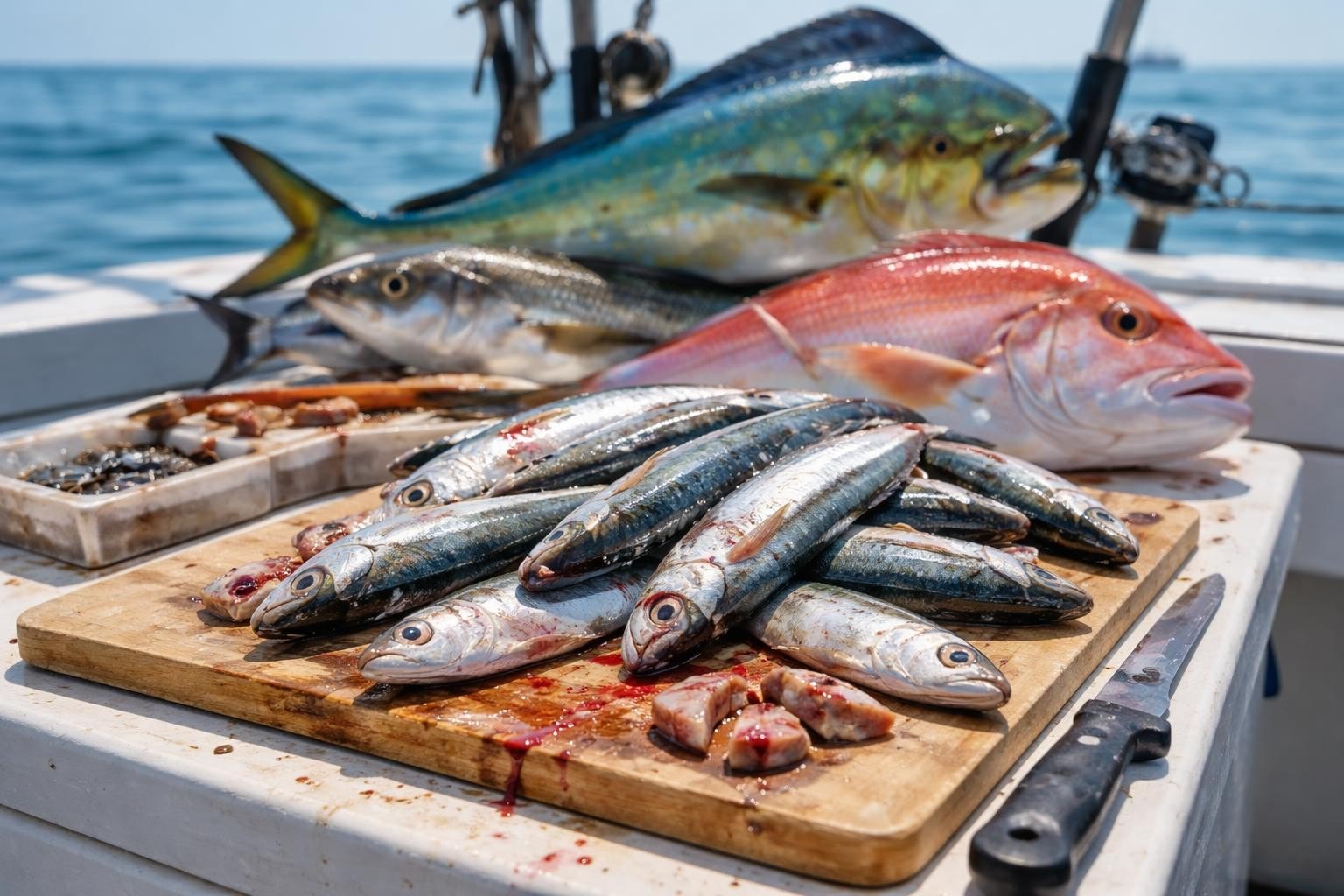
Finding quality pilchards starts with knowing your local bait suppliers. Most coastal tackle shops stock frozen pilchards year-round, with individually quick frozen pilchards offering superior quality and convenience.
Fresh pilchards typically come in several forms:
- Whole frozen in vacuum-sealed packs
- Individually quick frozen (IQF) for easy portioning
- Fresh on ice from bait shops
- Live from bait pens or cast-netted yourself
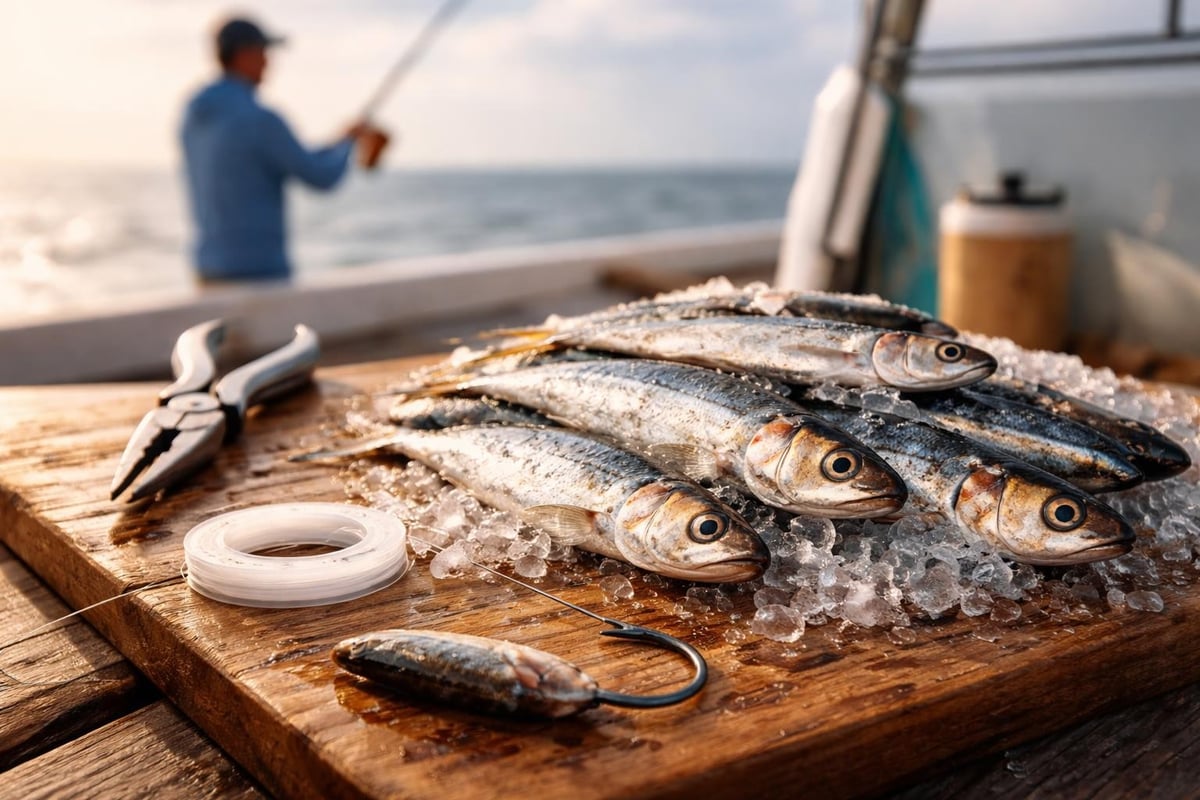
Storage makes all the difference in bait performance. Keep frozen pilchards in your freezer until the night before your trip. Avoid repeated freeze-thaw cycles, which break down the flesh and reduce effectiveness. When heading out, pack them in a cooler with ice, keeping them cold but not frozen solid if you plan to fish them shortly.
For extended trips, proper bait preservation techniques help maintain freshness throughout the day. Salt brine solutions can firm up thawed pilchards, making them easier to handle and more durable on the hook. Some anglers swear by this method, especially when fishing in warmer climates where bait deteriorates quickly.
Live pilchards require more attention but deliver unmatched results. Using a saltwater bait pen keeps them healthy at docks or marinas. In South Florida and other pilchard-rich areas, many anglers prefer catching their own pilchards using cast nets or sabiki rigs at first light.
Rigging Methods for Different Situations
How you rig pilchards bait determines your presentation and effectiveness. The right method depends on your target species, current conditions, and whether you're using live or dead bait.
Whole Pilchard Rigging
For live pilchards, hook placement is critical. Nose hooking through both nostrils works well for drift fishing or slow trolling, keeping the bait swimming naturally. This method allows maximum movement while maintaining control.
Shoulder hooking behind the dorsal fin creates a different action, causing the pilchard to swim downward. This technique excels when you want the bait working deeper in the water column or when targeting bottom species.
When using dead whole pilchards, hooking through the eyes provides a secure hold for casting or drifting. The bait remains streamlined, reducing spin during retrieval. British sea fishing techniques demonstrate similar approaches that work across different waters.
Half Pilchard Presentations
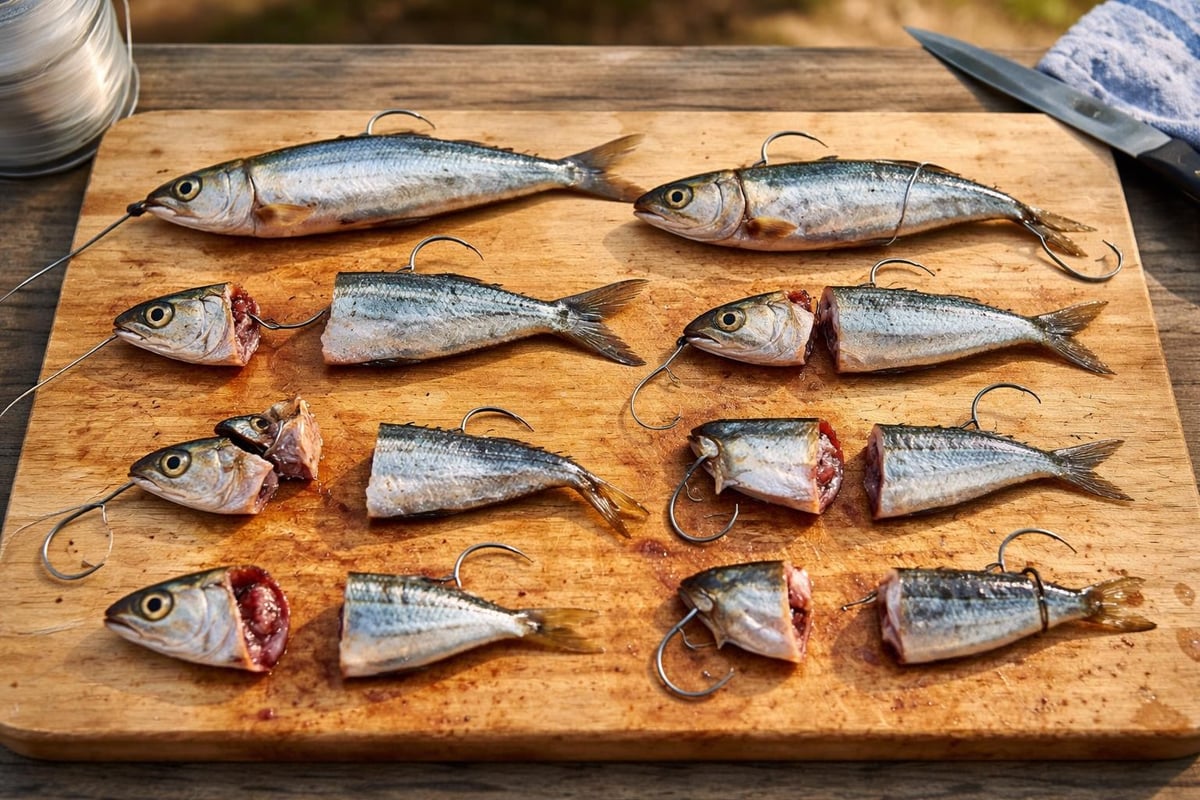
Cutting pilchards in half opens up new possibilities. Rigging half pilchards properly prevents spinning and ensures the hook point remains exposed. Start by cutting the pilchard just behind the gills at a diagonal angle.
Insert the hook through the cut end, bringing it out through the back near where you made your cut. This creates a natural swimming motion as current or movement pulls the bait. The exposed flesh releases maximum scent while the intact tail section provides visual appeal.
Another effective approach involves baiting with the tail half, which works exceptionally well for whiting and snapper. The fluttering tail action mimics a wounded baitfish, triggering aggressive strikes.
Strip Baits and Chunks
For bottom fishing or when targeting larger predators, pilchard strips and chunks excel. Cut the pilchard into appropriately sized pieces based on your hook size and target species. Remove the backbone for more flexibility, or leave it intact for added durability.
Thread the hook through the chunk multiple times to secure it properly, especially when dealing with strong currents or aggressive bait stealers. This presentation works brilliantly when fishing near structure or during feeding frenzies.
Target Species and Techniques
Pilchards bait attracts an impressive variety of gamefish across different environments. Understanding which species respond best helps you plan your approach and choose fishing locations wisely.
Inshore Species
Spotted seatrout, redfish, snook, and flounder all eagerly take pilchards in shallow coastal waters. Work them along grass flats like Fort De Soto Park using a popping cork rig with live pilchards suspended below.
Free-lining pilchards around structure produces explosive strikes from snook. Let the bait swim naturally near mangroves, docks, or bridge pilings where these fish ambush prey. The key is minimal weight, allowing the pilchard to move freely while staying in the strike zone.
Flounder respond particularly well to pilchard strips bounced along sandy bottoms. The scent and movement combination proves irresistible to these flatfish, especially during their fall migration.
Nearshore and Reef Fishing
Spanish mackerel, kingfish, and cobia patrol nearshore waters hunting baitfish schools. Slow-trolling live pilchards behind planer boards or downriggers covers water efficiently. The erratic swimming of a hooked pilchard attracts these fast-moving predators from surprising distances.
For reef fishing, dropping pilchards bait near structure targets snapper, grouper, and triggerfish. Add enough weight to reach bottom quickly, but not so much that it kills the natural presentation. Areas like the Rock Pile off San Diego offer perfect habitat for this approach.
Offshore Applications
Tuna, dolphin (mahi-mahi), and even billfish will hit pilchards under the right conditions. Chunking pilchards creates a slick that draws pelagic species to the boat. Follow up with whole pilchards on flatlines or downriggers for hookups.
When fishing productive offshore spots like Nine Mile Bank, pilchards serve as excellent bait for yellowtail and white seabass. Their versatility makes them worth carrying even when targeting specific species with preferred baits.
Maximizing Effectiveness with Pilchards Bait
Getting the most from pilchards bait requires attention to details that separate successful anglers from those who struggle. Small adjustments in presentation and handling make significant differences in your catch rate.
Water temperature influences how you fish pilchards. In colder water, fish move slower and prefer less aggressive presentations. Downsize your pilchards and use lighter tackle to match the reduced activity levels. Warmer water brings more aggressive feeding, allowing larger baits and more movement.
Current and tide timing affect scent dispersion. Strong currents carry the pilchard's oily scent trail farther, expanding your effective fishing zone. Position yourself upcurrent from likely holding areas, allowing the scent to drift into strike zones naturally.
Fresh vs. Frozen Considerations
While live pilchards often outperform frozen options, quality frozen bait still produces excellent results. The convenience of frozen pilchards bait means you can fish productive spots without worrying about bait availability or keeping live wells running.
Thawing method matters more than most anglers realize. Gradual thawing in a cooler preserves texture better than quick thawing in water. Plan ahead and move tomorrow's bait from freezer to refrigerator the night before your trip.
Match bait size to target species and conditions. Smaller pilchards (3-4 inches) work well for general inshore fishing, while larger specimens (6-8 inches) target bigger predators. When fish are picky, downsizing often triggers strikes from otherwise uninterested gamefish.
Location-Specific Strategies
Different regions across the United States offer unique opportunities for using pilchards bait effectively. Understanding local patterns helps you apply these techniques successfully wherever you fish.
Florida and Gulf Coast
Florida's diverse fisheries respond exceptionally well to pilchards. The Skyway Fishing Pier sees consistent action with pilchards targeting snook, tarpon, and sharks. Free-lining live pilchards in the current produces heart-stopping strikes.
Along Tampa Bay areas, pilchards work year-round for spotted seatrout and redfish. Winter months bring larger trout to deeper channels where pilchards fished near bottom excel.
The warm water outflows near power plants, such as the TECO Manatee Channel, concentrate fish during cold fronts. Pilchards bait fished in these areas during winter produces when other spots go quiet.
California Coast
Pacific pilchards (sardines) dominate California bait fishing. Productive spots like La Jolla Canyon and La Jolla Shores see heavy use of pilchards for calico bass, barracuda, and yellowtail.
Fly-lining live pilchards is an art form along the Southern California coast. This technique involves minimal or no weight, allowing pilchards to swim freely toward kelp beds or rocky structure. The natural presentation triggers strikes from even the wariest fish.
Atlantic and Carolina Waters
North Carolina's productive inshore and offshore waters respond well to pilchards. Spots like Masonboro Inlet offer excellent red drum and flounder fishing with pilchards.
Further offshore, areas around Frying Pan Tower attract king mackerel, cobia, and amberjack. Slow-trolling pilchards near structure produces consistent action during peak season.
New England waters also support pilchard fishing, particularly around Cape Cod. Woods Hole currents concentrate baitfish and predators, making pilchards an effective choice for striped bass and bluefish.
Advanced Techniques and Tips
Experienced anglers develop nuanced approaches to using pilchards bait that consistently outperform basic presentations. These refined methods separate good days from great ones on the water.
The Stray-Lining Approach
Stray-lining involves drifting live pilchards with minimal weight in current or wind. These pilchard power techniques demonstrate how proper presentation creates natural swimming action that gamefish find irresistible.
Start by selecting the liveliest pilchards from your well or cooler. Hook them carefully to minimize damage, ensuring they swim strongly. Release line gradually, allowing the bait to drift away from the boat into productive water.
Monitor line carefully for subtle takes. Many fish inhale pilchards without aggressive strikes, requiring attention to detect bites. When you feel weight or see line movement, allow a brief pause before setting the hook.
Chumming with Pilchards
Creating a chum slick with ground or chunked pilchards brings fish to you. This technique works exceptionally well for pelagic species and when fishing deeper water where locating fish proves challenging.
Grind or chop pilchards into small pieces, releasing them steadily upcurrent from your position. The scent trail attracts fish from surprising distances. Follow up with whole or half pilchards on your fishing lines as the slick draws fish closer.
Match your hook bait to the chum size for best results. If you're chumming with small chunks, fish similar-sized pieces. Consistency in your presentation increases confidence from feeding fish.
Multiple Bait Presentations
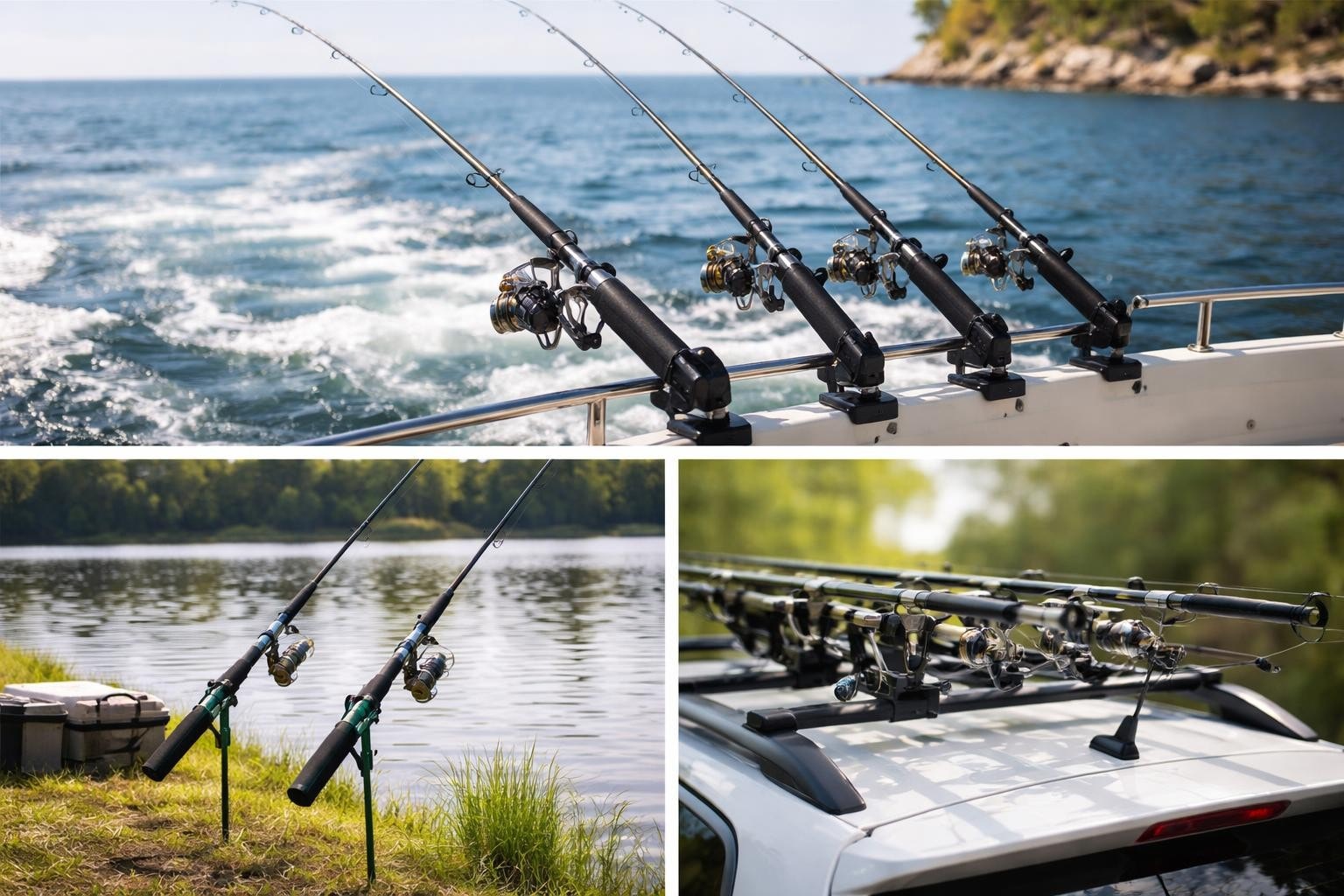
Running different pilchard presentations simultaneously helps determine what fish prefer on any given day. Try one rod with live pilchards under a float, another with dead pilchards on bottom, and a third with half pilchards drifting mid-depth.
This experimental approach quickly reveals patterns. Once you identify the productive method, switch remaining rods to match. Conditions change throughout the day, so remain willing to adjust as fish behavior shifts.
Combining Pilchards with Other Techniques
While pilchards bait excels on its own, combining them with other approaches multiplies effectiveness. These hybrid techniques leverage the strengths of multiple methods.
Teaser and Bait Combinations
Running a small jig or spoon above a pilchard creates flash and vibration that attracts fish. Once they investigate the teaser, they often take the natural pilchard instead. This combination works brilliantly for Spanish mackerel and kingfish.
Position the teaser 18-24 inches above the pilchard for optimal spacing. The attracted fish sees the natural bait as an easy meal after being drawn by the artificial lure's action.
Cut Bait and Pilchard Mix
When bottom fishing, combining pilchard pieces with other cut baits creates a diverse scent profile. Mix pilchard chunks with squid or shrimp to appeal to different feeding preferences. Some species show distinct preferences on different days.
This approach also extends your bait supply. High-quality pilchards bait can be expensive, so mixing them with more economical options maintains effectiveness while managing costs.
Pilchards bait offers incredible versatility and consistent results across saltwater fishing applications. Whether you're working inshore flats, nearshore reefs, or offshore depths, these proven techniques will improve your success. Ready to put these strategies into action? Head over to Find Fishing Spots to discover productive pilchard fishing locations near you with detailed GPS coordinates, access information, and local insights that help you make the most of every trip.